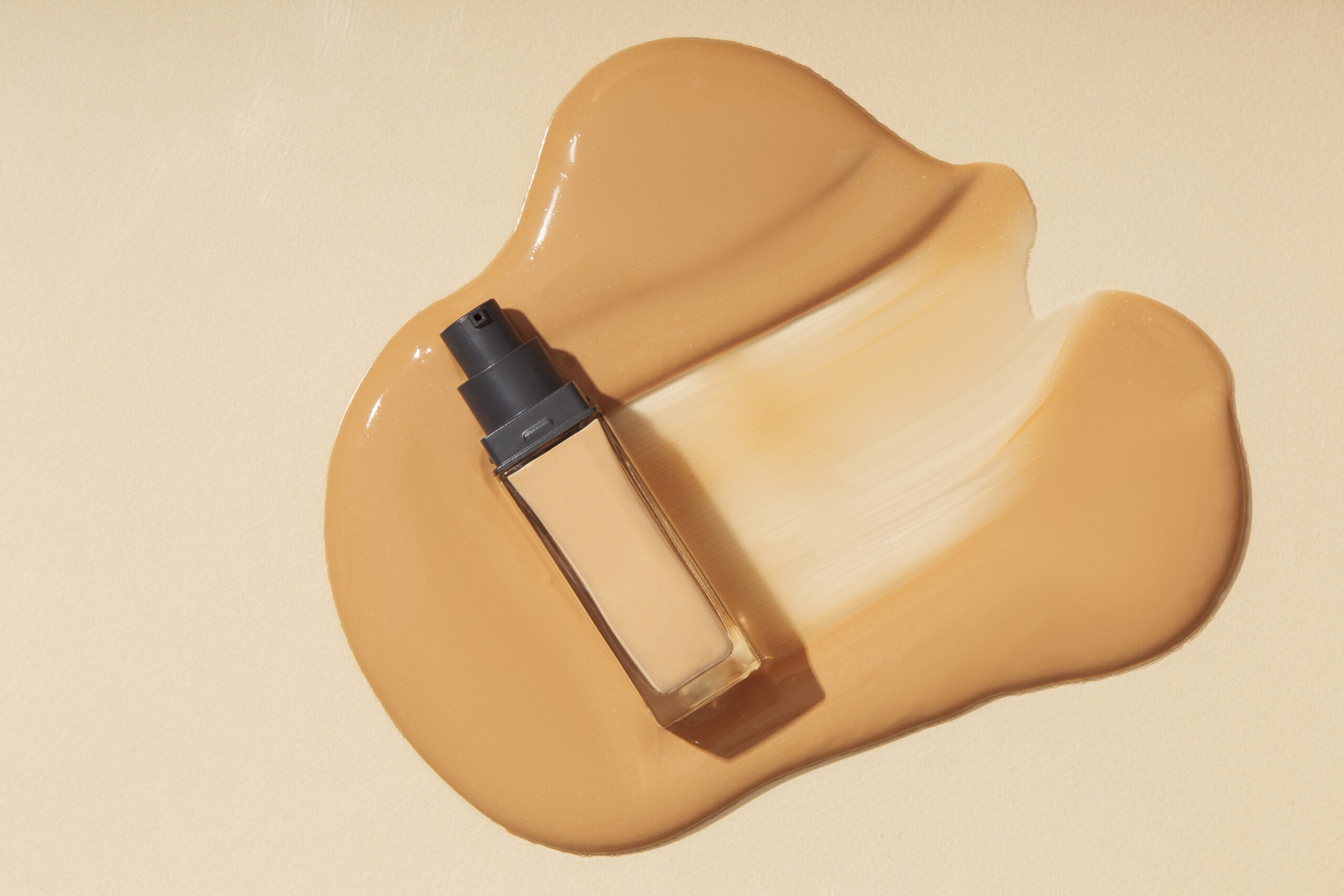
The foundation is the foundation of any makeup look, however, it does not always sit right. In place of that perfect, airbrushed skin, you can observe patchy coverage, dry areas or cakey dots. Don’t worry — you’re not alone! Even professional makeup artists have to contend with foundation going patchy. The good news? It can be fixed in minutes with the appropriate preparation and methods preventing it to occur again.
In this blog, we will dissect three simple steps to correct patchy foundation and give that smooth, radiant complexion that you always desired.
WHY Does Foundation Go Patchy?
Before we get into the solution it is worth knowing the problem. Patchiness occurs when foundation is sticking to some regions of your face and sliding off others. Common causes include:
- Dry skin – make-up clings to scaly spots.
- Oiliness-cosmetics dissolve on oily parts.
- Unprofessional preparation-failure to apply moisturiser or primer would result in uneven application.
- Incorrect formula – applying a matte foundation to a dewy sheet of skin, or a dewy foundation to a matte sheet of skin.
- Overlapping errors: excessive speed of applying product.
Now, let’s fix it!
purchase now: https://amzn.to/46HfNwg
Step 1: Prep and Refresh the Base
Prep the base by swapping it out with a clean one that has a small amount of oil on it, then dabbing it completely dry using a towel before applying ointment or cream, or ointment paste in the case of lacerations.
The first great foundation rule is: your make up is as good as your skin care. Before foundation will go on evenly, your skin should be prepared.Fasten It Up Before doing the Makeup.
It is not necessary to panic, in case of your foundation patchy. Here is the way to refresh your base at one stroke:
Hydrating Mist: Sprays a little facial mist or settings spray on your face. This moisturises dry areas and makeup melts into the skin.
Damp Sponge: Apply the product with a moist beauty sponge pressing the product into the skin. This equalises streaks even without the additional make-up.
Specific Hydration: In case of extreme patchiness, smear a small puddle of serum or moisturiser on the flakey spots, and then apply foundation over it once more.
Long-Term Prep
In order to avoid future patchiness, embrace the following habits:
- Wash once or twice a week to exfoliate the dead skin cells.
- Even in an oily skin, moisturise every day. Oil production is equalised by hydration.
- Prime intelligently: Mattifying primer is applied to oily areas, and hydrating to dry ones.
Step 2: Blend, Don’t Rub
Rubbing foundation with the skin is one of the greatest mistakes that people make. This transport product rather than mixing it. The trick is to apply pressing and stippling movements.
Quick Fix Technique
- Take a moist makeup sponge or heavy foundation brush.
- Rather than sweeping, wipe and pat the product on the skin.
- Slowly build coverage — a layer of paint always appears smoother when it is thin than when it is thick.
Pro Tips
- In case you have fallen out of foundation, apply it with a sponge that has been dipped in a small portion of setting spray.
- To remove any additional stubborn spots, add a drop of liquid highlighter or even moisturiser and apply extra using foundation. This contributes slip and smooth.
Step 3: Set and Lock It In
After the foundation is laid down and even, the final thing then is to ensure that the foundation remains in place. Applying the makeup properly will make sure that patchiness does not reoccur during the day.
Quick Fix
- Lightly dust translucent powder on your body only on places that crease or oily (such as the T -zone).
- Spray with a setting spray to fuse all the layers, so they look like skin.
Pro Tips
- Do not apply too much powder at once- it will stick to dry places.
- Apply a pressed powder compact to touch-up on the move.
- When your skin is dry, do not use powder, but apply directly to your face a hydrating setting spray.
Additional Advice to prevent patchy foundation.
Having the three easy steps in hand, there are some extra tips which will help make your base looking even more perfect:
Select the appropriate formula: Dewy foundations are the best to use on dry skin, whereas matte foundations are the best to use on oily skin.
Minimise consumption: Fill a lot of foundation does not equate to covering. A little is enough when put into the right context.
Warm the product: Rub foundation in your fingers and then apply on. This helps it blend better.
Touch-ups: Bottom line, keep a small powder or mini setting spray in your bag.
Best Products to Repair Streaky Foundation.
To guide you in the path to perfect skin, the following are some of the categories of products that have been tested and tested:
Moisturising Mists- to soothe parched spots on the spot.
Beauty Sponges – smooth blending.
Dual Primers – oily areas, moisturising dry.
Light Moisturisers- absorb fast without being greasy.
Setting Sprays – to fix everything in several hours.
(In the near future, we will be publishing product reviews and suggestions specifically to the UK beauty enthusiasts at MakeupLabs UK so keep checking back)
Final Thoughts
The patchy foundation may be exasperating, but it does not mean the conclusion of your make-up look. You can fix it in minutes with the correct preparation, blending and intelligent setting techniques. Stick to the golden rule: skin first, make-up second. When your skin is well and moist, your foundation will appear perfect always.
Then when your base is acting up, you could simply use these 3 simple steps: Prep, Blend, and Set. Your skin will be appreciative and your foundation will remain smooth, radiant, and Instagram ready throughout the day.
