To achieve a perfect foundation appearance, you will have to begin way before the brush touches your face- this will be with proper skin preparation. Even patchy skin, redness or dullness, dry areas or shininess can be refined into a flawless uber-glossy makeup canvas with the proper regimen. It is on this post that we are going deep into the steps you should take to prepare your skin like a professional, and make your foundation look airbrushed, even, and beautiful.
Cleanse – The Clean Slate
First come first things first: one should always start with a clean face. Pollutants, sweat, remnants of makeup, overnight oils, etc. all these may complicate the adhesion and wear of foundation. Apply a mild cleanser according to your skin:
Dry skin → cream or balm cleanser that moisturizes.
Oily/combination skin → gel or foam cleanser which can help to remove excess oil without stripping the skin off.
Delicate skin- non-scented, low PH, and hence does not irritate the skin. Remember to wash off completely and dry (do not rub) leaving none behind to make the patchiness in the future.
Purchase our premium product: https://amzn.to/48PmZaX
Exfoliate (Once a Week or When Necessary)
Your foundation foe is texture. Irregular-textured and flaky skin, dry spots, and dead skin cells may cause the foundation to adhere to the skin in the undesired areas. Light exfoliation helps:
Chemical peels such as AHAs or BHAs are mild and can be used on a regular basis.
Physical exfoliants (scrubs) or soft exfoliating brush- apply sparingly and to only those areas that have excess.
In case you have very sensitive or reactive skin, exfoliation should be done once a week, however, 2x a week may be well exercised after how your skin reacts to it. The objective is not to irritate but smoothness.
Tone & Rebalance
Toner is what you apply after cleansing (and exfoliating, should you have done it) to restore pH balance, close the pores and in some cases, bring hydration or relaxing benefits. An exfoliator has the ability to prepare your skin to receive subsequent stages of your skincare as well.
In case of tightness in the skin, choose a toner that contains hydrating properties (e.g., glycerin, hyaluronic acid). In case you are oily, find toners that are shine control but not very drying.
Moisturise – Hydration Is Key
Moisturised skin = foundation that wears. Dry parts will drag the foundation causing uneven areas; oily skin will overcompensate resulting in slipping makeup. Moisturiser is used to provide a shield between your skin and make-up, and to flatten a fine line.
Permit moisturiser to dry and proceed. This usually takes 3-5 minutes. This step should not be rushed as it becomes pilled or has a patchy look.
Apply richer creams on the dry or mature skin; liquid or gel-based creams on the oily or combination skin.
Eye Cream (Not compulsory yet Significant)
The skin on the eyelids is very sensitive and is likely to dry, have fine lines and wrinkles. An eye cream is hydrating and fast absorbing and helps:
Blur fine lines
Stop concealer/ foundation creasing.
Lighten the area beneath the eyes to achieve a level area.
Always make sure to allow it to dry before using concealer or foundation.
SPF Protection
Although you may be indoors or feel that you are not in direct sunlight, UV rays still can have an impact on your skin making it dull and pigmented. It is necessary to use a broad-spectrum sunscreen, which has a minimum of SPF 30. Most of the recent SPFs are formulated in a way that they can be applied beneath makeup without pilling.
A multitasking product (e.g., tinted moisturiser or SPF-containing primer) will make combining two or three products an easier task, should you be able to afford it.Wear a Primer (Skin Type Matters)
A good primer is a primer that is a base coat to a painting; it smooths the texture of the painting, reduces pores, adds a glow to the oil or reduces the longevity of the foundation. Select the primer according to your requirements in the skin:
Moisturising or dewy skin primers.
Oily skin primers Mattifying or oily skin primers
Lighting up the glamour on weary or thirsty face.
Colour-correcting primers in case they are red or patchy.
Use the pea size but primarily on problem areas (nose, cheeks, forehead). Allow the primer set to dry fully and then put on foundation.
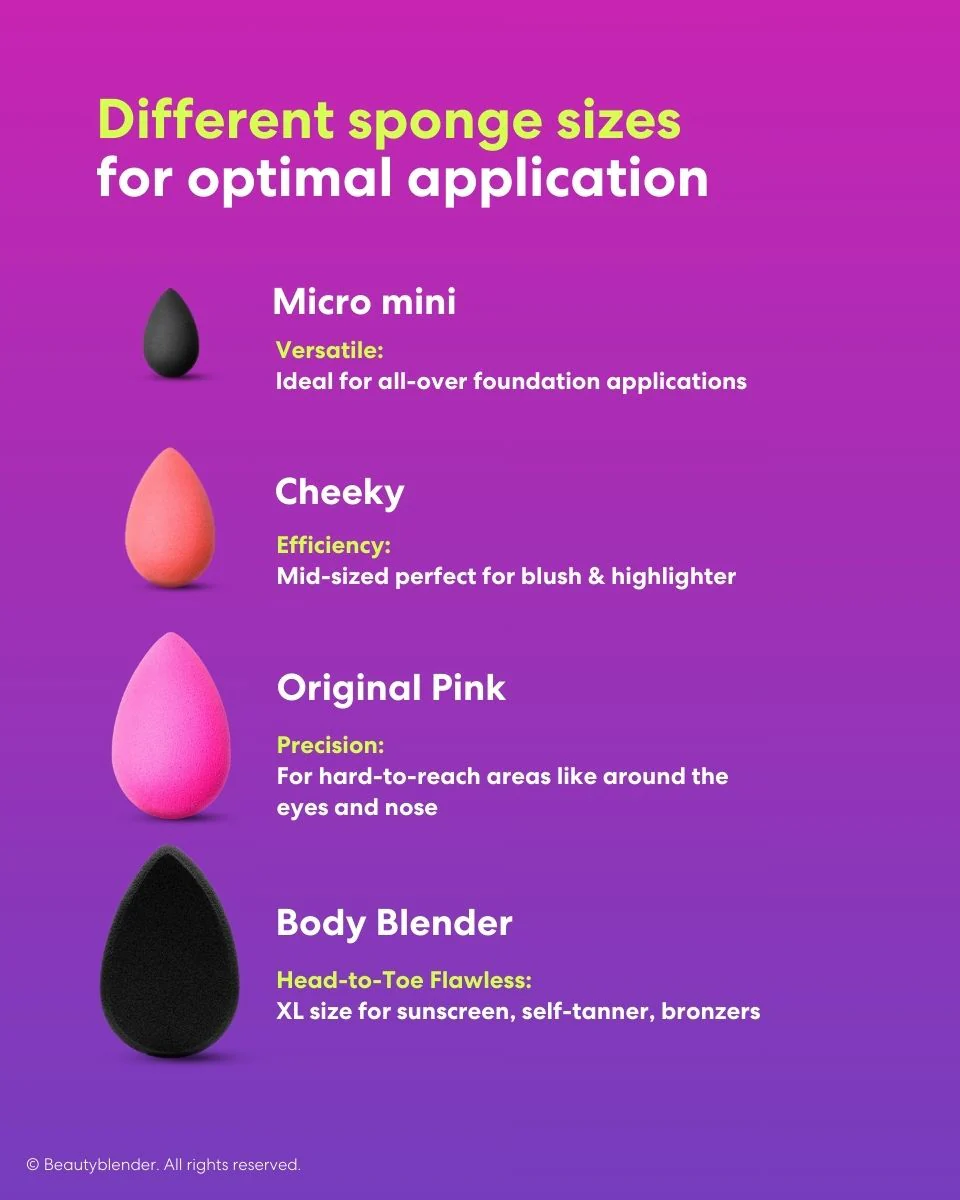
Prep Materials: Clean Sponges, Clean Brushes, Application Tools.
The most effective skincare will not work in the case when your tools are dirty. Sponge and beauty blenders, foundation brushes need to be clean:
Prevent bacteria build-up
Minimise patches formed by residues of the product.
Make a smooth and even application.
In the case of sponges, wet them down (squeeze out all the water out). In the case of brushes, before application, tap/ flick off excess powder product.
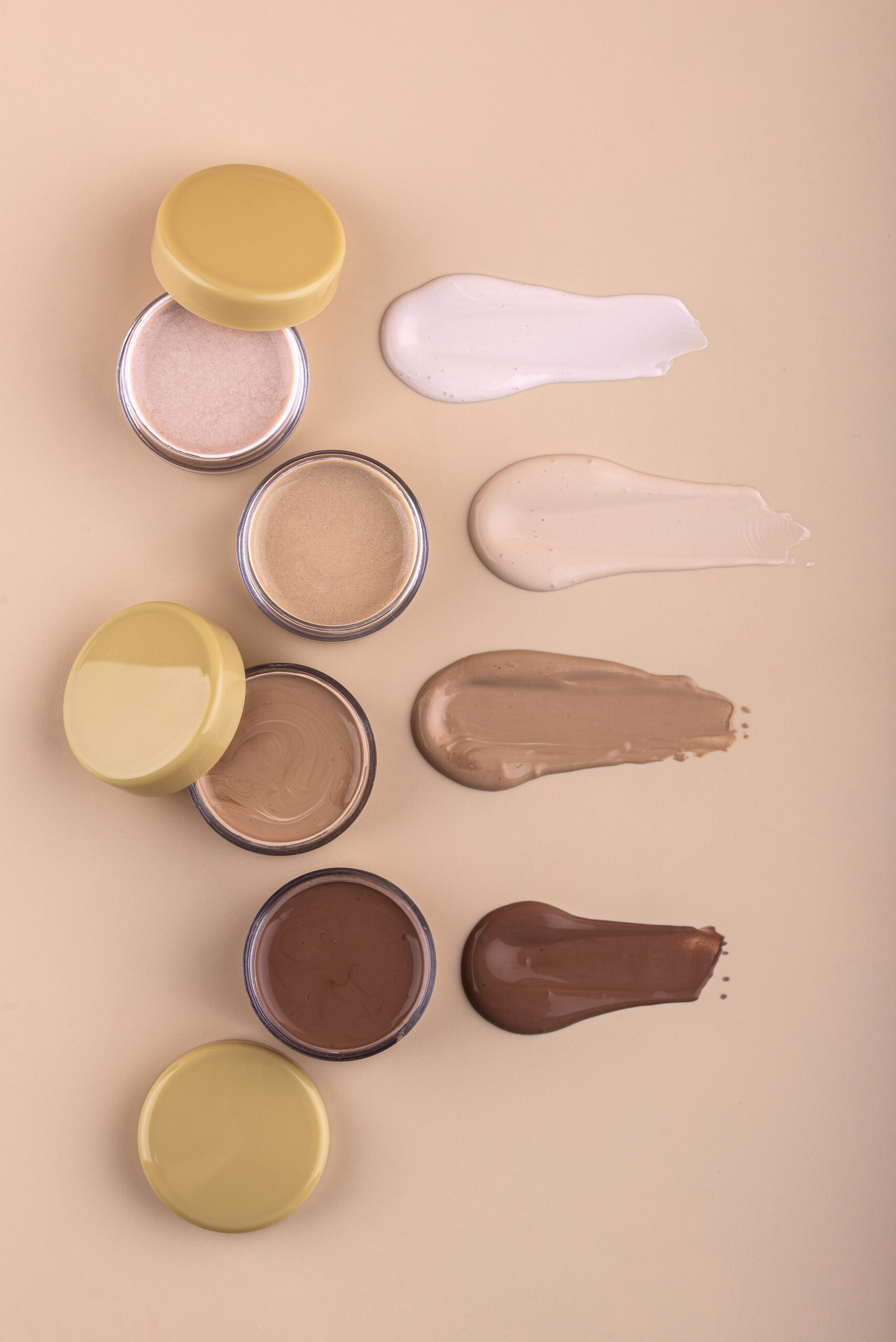
The Shade Matching and Right Foundation.
Now you are fit to take foundation–but you must still choose the one to suit you:
Find your shade based on the natural light on your jaw/neck.
Take into account your type of skin (matte, satin, dewy finish).
Consider the degree of coverage (light, medium, full) based on the amount of correction that you require.
Moreover, light makeup with the help of two formulas (lighter one + concealer) may prevent the heavy use of make-up.
Application Tips: Where and How to apply.
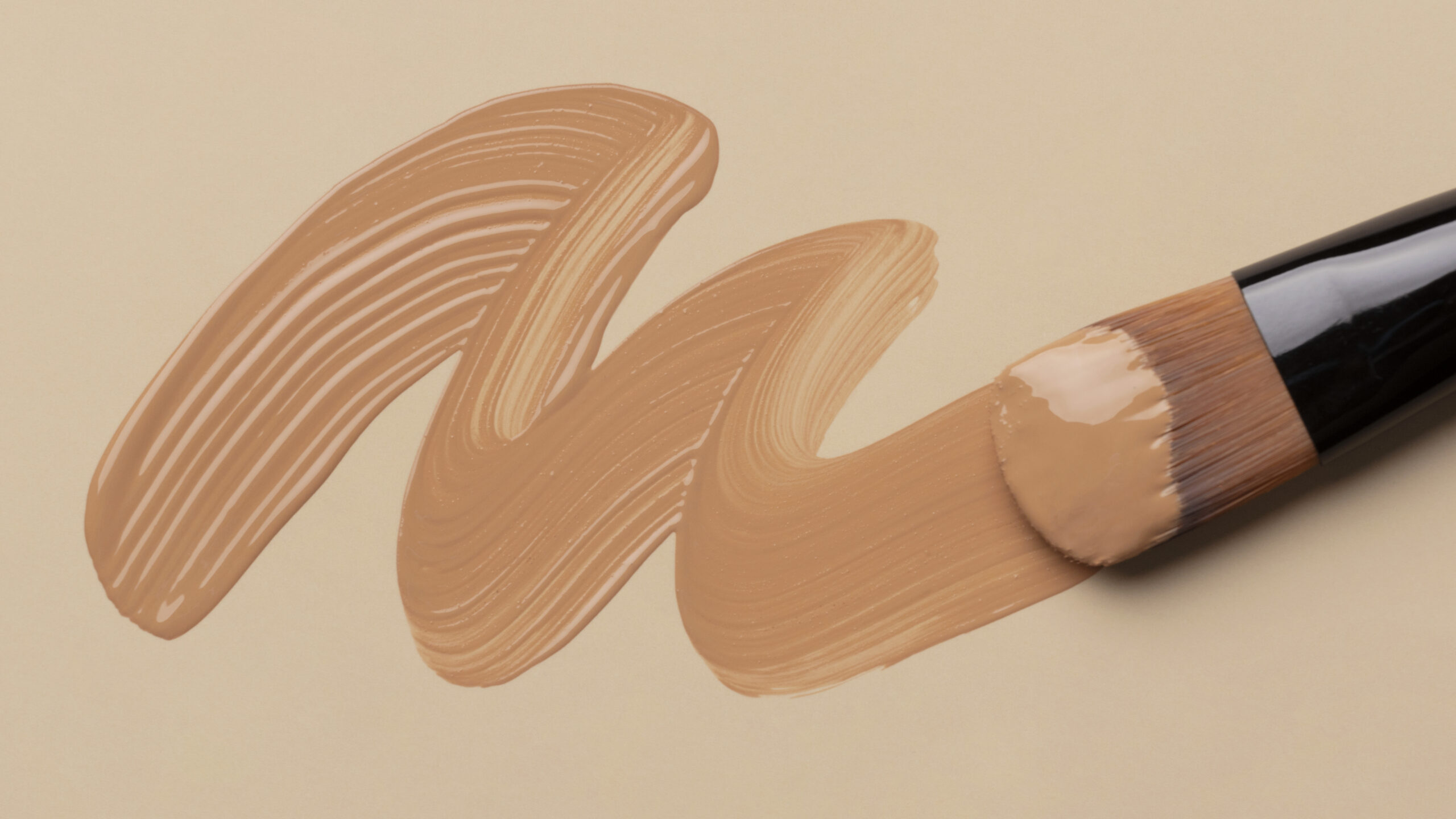
The foundation is to be applied in the middle of your face (nose, forehead, cheeks) where an individual may have redness or a blemish, then blended out to the jaw and to the hairline. This helps avoid harsh edges.
Wipe/dabbing instead of dragging- this is what causes the product to melt into the skin and not create any streaks.
Warm and natural blend with fingers, add more coverage with brushes and airbrush finish with sponge.
Setting & Finishing Touches
Once it is on, fix foundation correctly so you can make it last and still have a fresh appearance:
Apply under eyes or nose with a light powder setting powder to avoid creases/shine.
Lightly dust off or dust off thick powder where it is likely to get oily (T-zone, chin). Don’t over-powder dry areas.
Spraying or misting can be applied to the layers to melt and smooth together and extend the wear duration.
Common Mistakes to Avoid
Failure to allow skincare to absorb will cause pilling or roughness.
Excessive moisturising of oily skin – may lead to sliding/melting.
Excessive exfoliation would cause irritation and increased texture.
Shade mismatch occurs upon using the wrong shade.
Thick hand on product when the light layers are frequently more appropriate.
Final Thoughts
Prep is not a nice-to-have it is a must. Consider the three components of a foundation, tools and skincare. Even the best foundation will not work well in case the foundation is based on weak skin (uncleansed, dry, unprimed). However, prepare yourself properly and you will see:
smoother skin texture
prolonged foundation.
less blemishes making their appearance.
an instinctive, mixed look.
Allow yourself those few extra minutes every time. Your body will be pleased with your skin – and foundation.
How to Prep Your Skin for Flawless Foundation Application