Tag: green beauty

  • Sustainable beauty doesn’t have to be expensive: Our top picks under £20

    Sustainable beauty doesn’t have to be expensive: Our top picks under £20

    There’s a myth that going green with your beauty routine means spending a fortune on tiny jars with minimalist labels. It doesn’t. Some of the best sustainable swaps are cheaper than what you’re using now, because reusables pay for themselves and a single bar replaces bottle after bottle.

    You don’t need to overhaul everything at once, either. Pick one or two of these, all under £20 and all on Amazon UK, and you’ve already cut a chunk of waste from your routine without feeling it in your wallet.

    In This Guide:

    1. Why eco doesn’t have to cost more
    2. Our Sustainable Picks under £20
    3. How to swap without the waste

    1. Why Eco Doesn’t Have to Cost More

    The trick is to focus on swaps that replace repeat purchases. A pack of reusable pads costs a few pounds once and retires hundreds of cotton-wool rounds. A shampoo bar outlasts two or three bottles. So the upfront price isn’t the real number, the cost-per-use is, and on that measure these win easily. That’s the whole point: better for the planet and your bank balance.

    2. Our Sustainable Picks Under £20

    Six swaps that deliver, across makeup, tools and haircare.

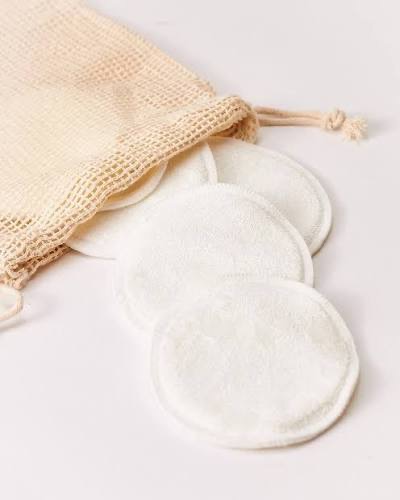
    Bambaw Bamboo Reusable Face Pads — around £11. A set of soft, double-sided washable pads (one velvety side for gentle everyday cleansing, one textured side for light exfoliation), with a cotton wash bag to keep them together in the laundry. Use them with your cleanser or micellar water in place of cotton wool, then wash and reuse again and again. One set retires thousands of single-use cotton rounds, so the cost-per-use is tiny, and it’s the swap you’ll reach for every single day. [INSERT AFFILIATE LINK]

    Effect Mascara — around £4. Proof that vegan makeup can be both brilliant and pocket-money cheap. Essence is now a 100% vegan brand, and this mascara has cult status for volume that punches well above its price. The no-risk way to try a vegan version of something you would buy anyway. [INSERT AFFILIATE LINK]

    EcoTools Makeup Brushes — from around £6. Brushes with handles made from recycled materials and soft synthetic (so cruelty-free) bristles, at high-street prices. A genuinely sustainable upgrade from cheap throwaway brushes that shed within weeks, without the premium-brush price tag. [INSERT AFFILIATE LINK]

    Ethique Shampoo Bar — around £15. A concentrated solid bar that replaces up to three plastic bottles of shampoo and lasts for dozens of washes. Ethique is vegan, cruelty-free and a certified B Corp, so the ethics run deeper than the packaging. Slightly pricier upfront, far cheaper per wash, the swap that converts sceptics. [INSERT AFFILIATE LINK]

    Bambaw Bamboo Cotton Buds — around £3. Plastic cotton buds are one of the most common bits of beach litter; these swap the plastic stem for biodegradable bamboo for the price of a coffee. A tiny change, but one you’ll repurchase guilt-free forever. [INSERT AFFILIATE LINK]

    The Konjac Sponge Company Facial Sponge — around £8. A natural, biodegradable sponge made from konjac plant fibre that gently exfoliates and composts at the end of its life, unlike synthetic sponges that shed microplastics. A soft, sustainable swap for sensitive skin. [INSERT AFFILIATE LINK]

    3. How to Swap Without the Waste

    One important rule: don’t bin everything you currently own to “go sustainable”. Throwing usable products away creates more waste, not less, and rather defeats the point.

    Instead, swap as you run out. When your mascara dries up, your shampoo bottle empties or your last cotton pad goes in the wash, replace that one thing with a greener version from the list above. Start with the daily-use items, since that’s where a single swap saves the most over time. Within a couple of months you’ll have quietly rebuilt your routine, spent less than you used to, and barely noticed the change, except in your bin.

    Small Budget, Real Impact

    Sustainable beauty isn’t a luxury reserved for big spenders. The swaps that matter most are often the cheapest, because reusables and concentrated bars cost less over their lifetime than the disposables they replace. There’s no compromise to make and no fortune to spend.

    Pick one swap to start, see how easily it slots into your routine, then add another when you next run low. For more easy wins, browse the rest of our sustainable beauty edit, where every pick is chosen to be kinder to your skin, your budget and the planet.


    References


  • The Best Refillable Makeup Brands to know in 2026: Our top picks

    The Best Refillable Makeup Brands to know in 2026: Our top picks


    Think about how much makeup packaging you’ve thrown away. Every empty lipstick bullet, every cracked powder compact, every foundation bottle, almost all of it plastic, almost all of it landfill. The beauty industry churns out billions of units of plastic packaging a year, and most of it is used once.

    Refillable makeup flips that. You buy the case once, then top it up with a refill when it runs out, keeping the bit that lasts and replacing only the bit that doesn’t. Less waste, less money over time, and increasingly, no compromise on quality. Here’s how it works and the brands leading the way.

    In This Guide:

    1. Why refillable makeup matters
    2. How refill systems actually work
    3. Our Sustainable Picks
    4. Is refillable actually cheaper?

    1. Why Refillable Makeup Matters


    Most makeup packaging is single-use plastic that’s difficult to recycle, because it mixes materials (plastic, metal, mirrors, magnets) that recycling plants can’t easily separate. So it’s landfilled or incinerated.

    Refillable systems cut that waste at the source. Instead of binning the whole product, you keep the durable outer case (sometimes for years) and replace just the pan or pod inside. One well-made compact can outlive dozens of disposable ones.

    2. How Refill Systems Actually Work


    There are three common formats, and they’re all simple.

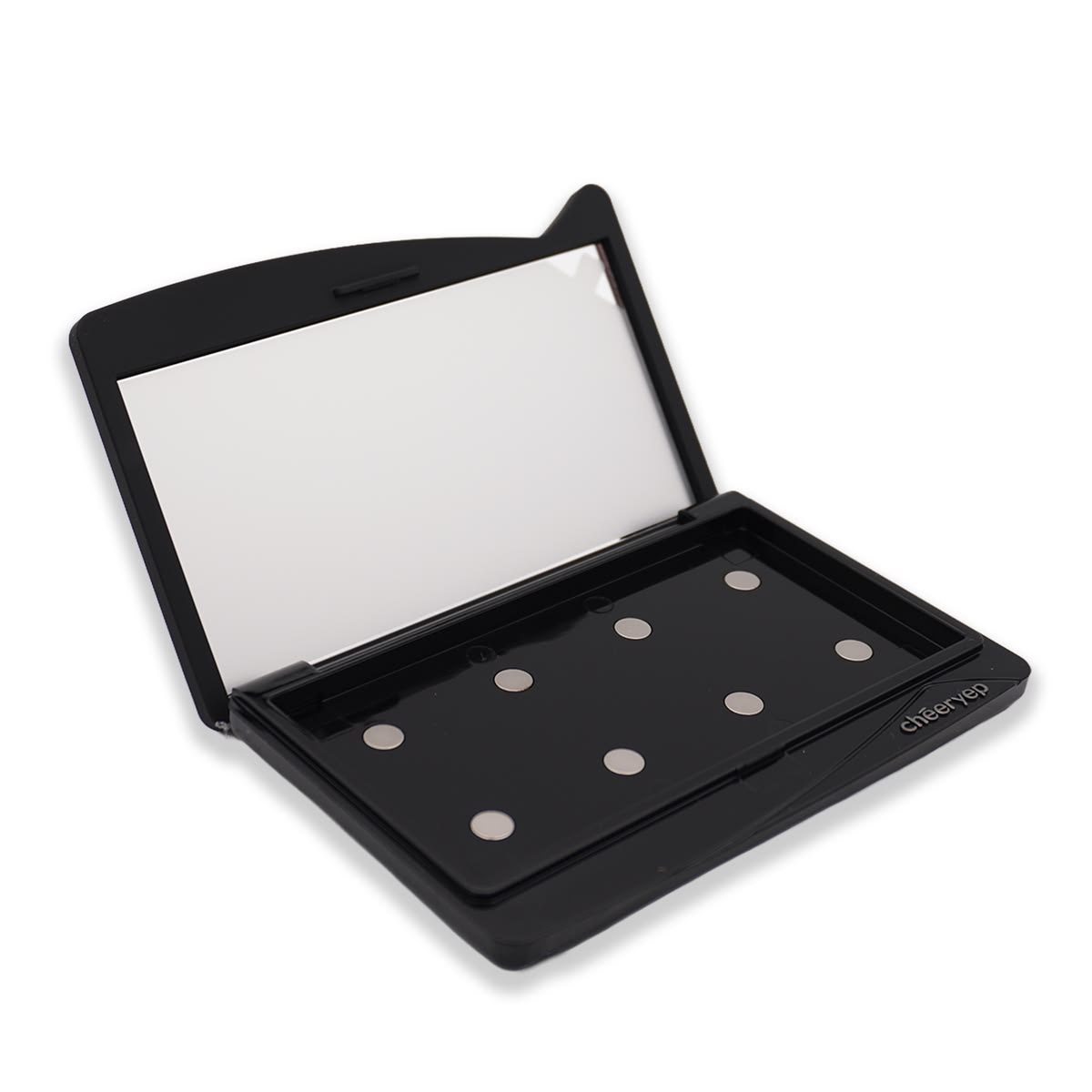
    • Magnetic pans: an empty palette or compact holds refill pans of eyeshadow, blush or powder that click in and out.
    • Pods and cartridges: lipsticks and foundations where the colour pod slots into a permanent case.
    • Screw or twist refills: the inner product unscrews and a replacement screws in.

    In every case the principle is the same: buy the housing once, then buy cheaper, lower-packaging refills forever. Most brands tell you exactly how to swap them on the product page.

    3. Our Sustainable Picks


    Four brands doing refillable properly, from one dedicated pioneer to the big names now catching up. Drop your tagged links into the markers below.

    The dedicated pioneer: Zao Makeup. Launched in 2012 as the world’s first fully refillable makeup brand, Zao houses everything (foundation, powder, eyeshadow, lipstick) in refillable bamboo cases. The whole range is vegan, cruelty-free and Ecocert-certified organic, and refills cost noticeably less than the original. If you want a brand built around refilling from the ground up, start here.

    Try: the Zao Refillable Concealer (buy the refillable case once, then just the refill).


    The refillable foundation: Lily Lolo Mineral Foundation SPF 15. A British mineral foundation (vegan, Leaping Bunny cruelty-free) that comes in a refillable pot, top it up with a fully recyclable refill sachet instead of buying a whole new product. Clean, short ingredient list and a genuine zero-fuss refill.

    Try: the Lily Lolo Mineral Foundation SPF 15 (then reorder the refill sachets).


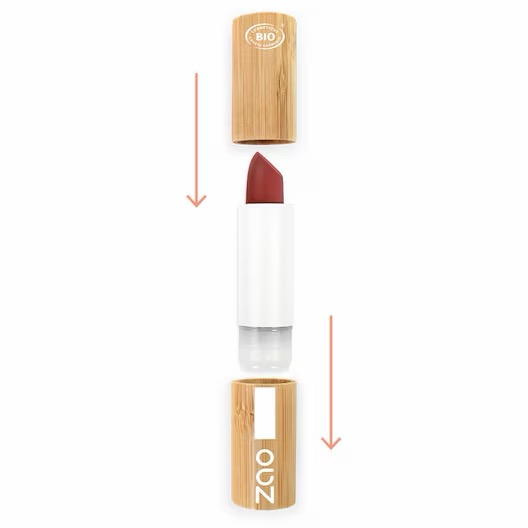
    The refillable lipstick: Zao Bamboo Refillable Lipstick. Zao’s lipsticks sit in a refillable bamboo case, when you hit the end, you buy just the colour refill and keep the case. Vegan, Ecocert-certified organic and far less packaging than a standard bullet.

    Try: the Zao Bamboo Refillable Lipstick.


    The build-your-own palette: MAC Pro Palette. MAC’s refill system lets you buy an empty magnetic palette and fill it with individual eyeshadow, blush and powder pans, so you replace only the shade you’ve hit pan on, never the packaging. Brilliant for cutting waste while keeping a pro-level shade range.

    Try: the MAC Pro Palette plus your choice of MAC Eye Shadow refill pans.

    4. Is Refillable Actually Cheaper?


    Upfront, refillable can cost a little more, you’re paying for a durable case built to last. But the maths works in your favour fast. Refills strip out the expensive packaging, so each top-up is cheaper than buying the product new, sometimes substantially so.

    Buy one good compact and refill it three or four times, and you’ve spent less than you would on three or four disposable versions, with a fraction of the waste. The case is the investment; the refills are the saving.

    A Small Change That Sticks


    Refillable makeup isn’t a gimmick, it’s the direction the whole industry is heading, and it’s one of the easiest sustainable swaps to make because nothing about your routine actually changes. Same products, same finish, just a reusable case and a cheaper, lower-waste refill.

    Start with one product you repurchase often, a powder, a lipstick, an eyeshadow, and choose a refillable version next time it runs out. For more easy wins, explore the rest of our sustainable beauty edit.

    References

  • Ditch the Disposables: The Best Reusable Cotton Pads and Makeup Remover Cloths

    Ditch the Disposables: The Best Reusable Cotton Pads and Makeup Remover Cloths

    If you take your makeup off every night, you’re getting through a lot of cotton wool, and all of it goes straight in the bin. A single reusable pad can replace thousands of disposable rounds over its lifetime, which is better for the planet and far cheaper for you.

    The catch is that not all reusables are equal. Some are gentler, some last longer, and some (despite the eco marketing) actually shed microplastics. Here’s what to look for and the pads and cloths worth buying.

    In This Guide:

    1. Why ditch single-use pads
    2. What to look for
    3. Our Sustainable Picks
    4. How to keep them clean

    1. Why Ditch Single-Use Pads

    Disposable cotton pads seem harmless, but the scale is the problem. Used twice a day, they add up to hundreds per person per year, and conventional cotton is resource-intensive to grow. Multiply across a household and it’s a steady stream of waste for a few seconds of use each.

    Reusables turn that into a one-off purchase. Buy a set once, wash and reuse for months or years, and you stop the cycle, while saving the money you’d spend repurchasing cotton wool forever.

    2. What to Look For

    Two things matter most: material and washability.

    On material, natural fibres win. Cotton, organic cotton, lyocell and bamboo are soft, effective and (mostly) biodegradable. Avoid microfibre if you can: it removes makeup well with just water, but it’s a synthetic that sheds microplastics in the wash, which rather undercuts the point. Look for OEKO-TEX certification (tested for harmful substances) and, for bamboo, FSC certification (responsibly sourced).

    On washing, choose pads you can wash hot. A 60°C wash is the hygiene standard for face cloths, so pads rated only for 30°C are harder to keep genuinely clean. A set of around seven is ideal: one a day, then a weekly machine wash.

    3. Our Sustainable Picks

    Four reusables across budgets and cleansing styles. Drop your tagged links into the markers below.

    Best overall:

    LastObject LastRound. A set of seven dual-sided pads in a cotton-lyocell blend, machine washable at 60°C, rated for 200+ washes and stored in a neat reusable case. Soft, durable and naturally moisture-wicking, the closest thing to a disposable round that lasts.

    Best budget swap:

    Bamboo Reusable Cotton Rounds. A multipack of soft bamboo pads with a mesh laundry bag, usually for a few pounds. Biodegradable fibre, gentle on skin, and one pack retires thousands of cotton-wool rounds. The easiest, cheapest place to start.

    Best for water-only cleansing:

    Face Halo. A makeup-artist favourite that lifts makeup with just warm water, no product needed, thanks to its ultra-fine fibres. Hugely effective and reusable up to around 200 washes. One honest note: it’s a microfibre, so rinse it well after each use, and if microplastics are a dealbreaker, lean on the natural-fibre picks above.

    Best for a full cleanse:

    MakeUp Eraser Cloth. A soft reusable cloth that removes a full face (even long-wear) with water alone and replaces hundreds of wipes. Great for a deeper, all-over cleanse rather than spot removal. Like Face Halo it’s a synthetic fibre, so a hot wash keeps it fresh; an organic cotton muslin cloth is the natural-fibre alternative if you prefer.

    4. How to Keep Them Clean

    Reusables only work if you keep them hygienic, and it’s easy. Rinse each pad straight after use to stop makeup and oil setting in. Pop them in the mesh wash bag (most sets include one) and machine wash at 60°C with your towels, roughly once a week.

    Air dry rather than tumble to protect the fibres, and replace them when they start to thin or stop feeling soft. Treated well, a good set lasts months or years, paying for itself many times over.

    Stop Binning, Start Washing

    Switching to reusable pads is one of the simplest sustainable swaps there is: a one-off buy that quietly removes a steady stream of waste from your routine and saves you money every month. Choose natural fibres where you can, wash them hot, and you’ll barely notice the change, except that you’ll never run out of cotton wool again.

    Pick the set that suits how you cleanse, then browse the rest of our sustainable beauty edit for more easy swaps.


    References

  • Shampoo bars, Foundation bars and Beyond: The Rise of Solid Beauty

    Shampoo bars, Foundation bars and Beyond: The Rise of Solid Beauty

    Here’s a fact that reframes your bathroom shelf: most liquid shampoo is around 80% water. You’re paying to ship water in a plastic bottle that takes centuries to break down. Solid beauty bars strip the water out, leaving concentrated, travel-friendly products with little or no plastic, and the format is booming for exactly that reason.

    It started with shampoo, but it hasn’t stopped there. Conditioner, cleanser, body wash and even moisturiser now come in bar form. Here’s why solid beauty works and the bars worth starting with.

    In This Guide:

    1. Why solid beauty is booming
    2. It’s not just shampoo anymore
    3. Our Sustainable Picks
    4. How to make the switch

    1. Why Solid Beauty Is Booming

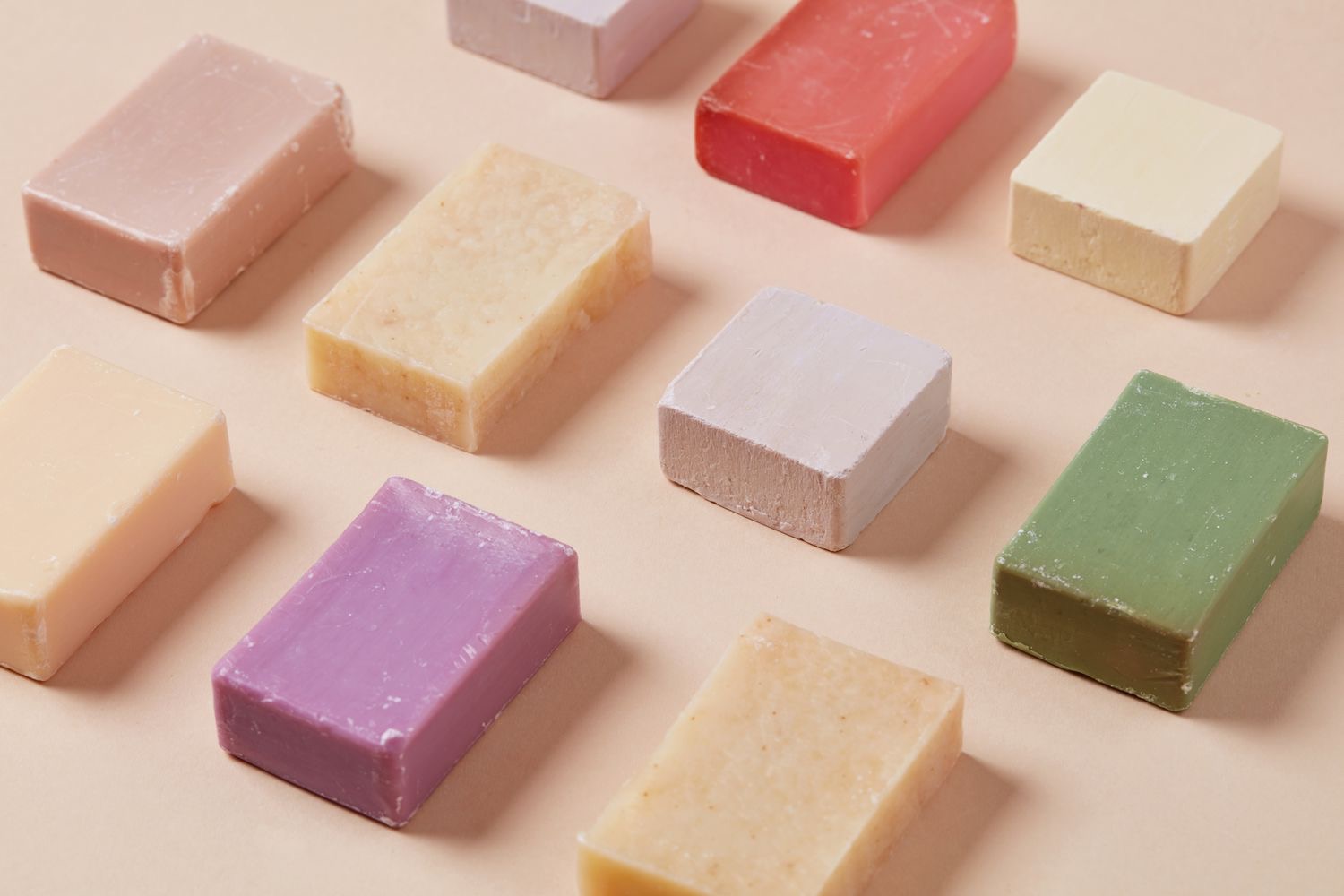
    The headline benefit is plastic. A single solid bar typically replaces two or three plastic bottles, and the packaging is usually cardboard or nothing at all. Across a year of washes, that’s a serious dent in your plastic footprint.

    There’s a performance logic too. Because bars are concentrated rather than watered down, a little goes a long way, so they often last longer than the bottles they replace. And they’re brilliant for travel: no leaks, no liquid limits, no bulky bottles.

    2. It’s Not Just Shampoo Anymore

    One quick myth to clear up: a modern shampoo bar is not a bar of soap. Soap is alkaline and can leave hair dull; a proper shampoo bar is formulated like liquid shampoo, just without the water, and pH-balanced for your scalp.

    Beyond shampoo, the “solid” format has spread fast. You’ll now find conditioner bars, solid facial cleansers, body-wash bars and even solid serums and moisturisers. If it used to come in a bottle or tube, someone is probably making a plastic-free bar version of it now.

    3. Our Sustainable Picks

    Four bars to start with, from a category leader to a high-street steal. Drop your tagged links into the markers below.

    The category leader:

    Ethique Shampoo Bar. A certified B Corp pioneer of solid beauty, Ethique is vegan, cruelty-free and entirely plastic-free. One shampoo bar replaces around three bottles of liquid shampoo, with formulas for every hair type, and the brand says it’s kept tens of millions of bottles out of landfill. The benchmark bar.

    The perfect partner:

    Ethique Conditioner Bar. Pair it with the shampoo bar for a fully plastic-free wash. A single conditioner bar replaces roughly five bottles, and a swipe down the lengths is all you need. Conditioner bars take a wash or two to get the hang of, but they go a very long way.

    Beyond haircare:

    UpCircle Cleansing Face Balm. Proof the plastic-free movement reaches past the shower. This award-winning balm melts into skin to lift makeup, SPF and grime, then wipes away with a cloth. It’s made with upcycled apricot stones (ground into a fine, gently exfoliating powder), is vegan and B-Corp certified, and comes in a recyclable glass jar with an aluminium lid. A neat way to take the plastic out of your skincare routine too.

    The high-street steal:

    Garnier Ultimate Blends Shampoo Bar. The easiest, cheapest entry point. Widely stocked, gentle on the wallet, and Garnier is approved by Cruelty Free International. If you want to test whether bars work for you before committing, this is the no-risk trial.

    For a smaller, UK-made option, The Solid Bar Company (a B Corp handmaking bars in Oxfordshire) is also well worth supporting.

    4. How to Make the Switch

    A heads-up that saves disappointment: if you’re coming off silicone-heavy liquid shampoo, your hair may go through a short “transition” of a wash or two as it rebalances. Stick with it, this is normal, and it passes.

    To get the most from your bars, store them on a draining soap dish or rack so they dry out between uses, never sitting in a puddle. Dry bars last far longer. Wet your hair, swipe the bar a few times, lather with your hands, and rinse as usual.

    Small Bar, Big Difference

    Solid beauty is one of the most satisfying sustainable swaps because the impact is so visible: bottles that simply disappear from your routine. The bars are concentrated, long-lasting, travel-proof and, increasingly, every bit as good as the liquids they replace.

    Start with a shampoo bar, give it a couple of washes to settle in, then branch out into conditioner and cleanser. For more plastic-free picks, explore our sustainable beauty edit.


    References