Think about how much makeup packaging you’ve thrown away. Every empty lipstick bullet, every cracked powder compact, every foundation bottle, almost all of it plastic, almost all of it landfill. The beauty industry churns out billions of units of plastic packaging a year, and most of it is used once.
Refillable makeup flips that. You buy the case once, then top it up with a refill when it runs out, keeping the bit that lasts and replacing only the bit that doesn’t. Less waste, less money over time, and increasingly, no compromise on quality. Here’s how it works and the brands leading the way.
In This Guide:
- Why refillable makeup matters
- How refill systems actually work
- Our Sustainable Picks
- Is refillable actually cheaper?
1. Why Refillable Makeup Matters
Most makeup packaging is single-use plastic that’s difficult to recycle, because it mixes materials (plastic, metal, mirrors, magnets) that recycling plants can’t easily separate. So it’s landfilled or incinerated.
Refillable systems cut that waste at the source. Instead of binning the whole product, you keep the durable outer case (sometimes for years) and replace just the pan or pod inside. One well-made compact can outlive dozens of disposable ones.
2. How Refill Systems Actually Work
There are three common formats, and they’re all simple.
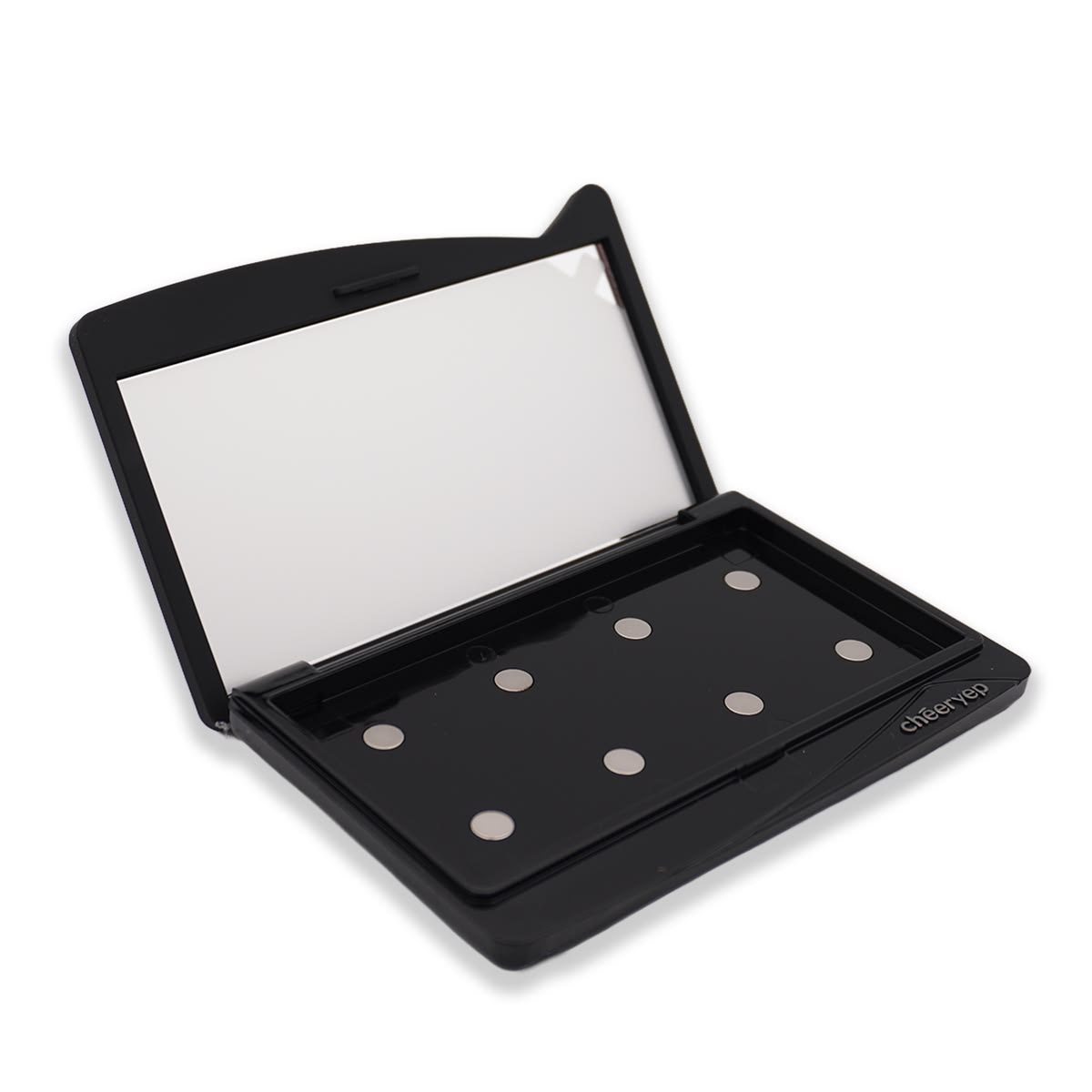
- Magnetic pans: an empty palette or compact holds refill pans of eyeshadow, blush or powder that click in and out.
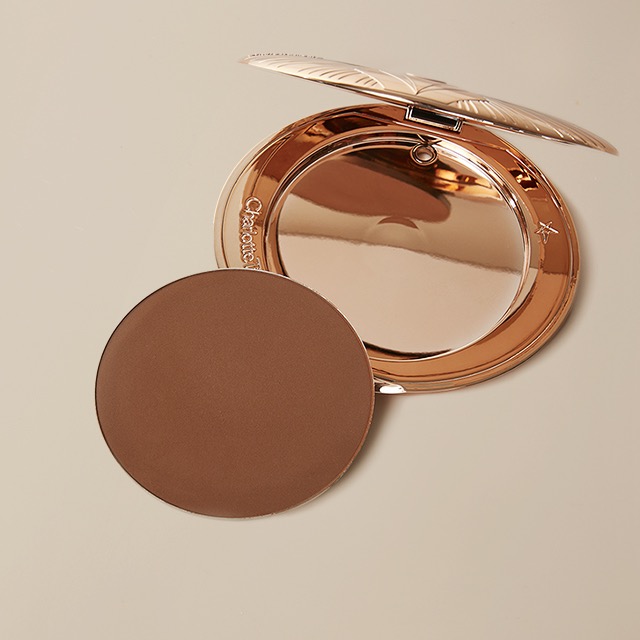
- Pods and cartridges: lipsticks and foundations where the colour pod slots into a permanent case.
- Screw or twist refills: the inner product unscrews and a replacement screws in.
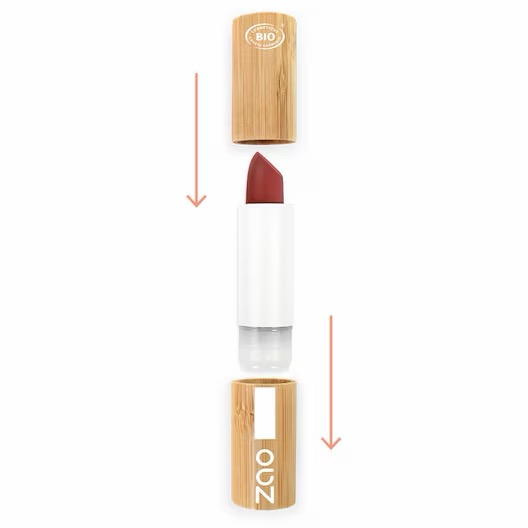
In every case the principle is the same: buy the housing once, then buy cheaper, lower-packaging refills forever. Most brands tell you exactly how to swap them on the product page.
3. Our Sustainable Picks
Four brands doing refillable properly, from one dedicated pioneer to the big names now catching up. Drop your tagged links into the markers below.
The dedicated pioneer: Zao Makeup. Launched in 2012 as the world’s first fully refillable makeup brand, Zao houses everything (foundation, powder, eyeshadow, lipstick) in refillable bamboo cases. The whole range is vegan, cruelty-free and Ecocert-certified organic, and refills cost noticeably less than the original. If you want a brand built around refilling from the ground up, start here.
Try: the Zao Refillable Concealer (buy the refillable case once, then just the refill).
The refillable foundation: Lily Lolo Mineral Foundation SPF 15. A British mineral foundation (vegan, Leaping Bunny cruelty-free) that comes in a refillable pot, top it up with a fully recyclable refill sachet instead of buying a whole new product. Clean, short ingredient list and a genuine zero-fuss refill.
Try: the Lily Lolo Mineral Foundation SPF 15 (then reorder the refill sachets).
The refillable lipstick: Zao Bamboo Refillable Lipstick. Zao’s lipsticks sit in a refillable bamboo case, when you hit the end, you buy just the colour refill and keep the case. Vegan, Ecocert-certified organic and far less packaging than a standard bullet.
Try: the Zao Bamboo Refillable Lipstick.
The build-your-own palette: MAC Pro Palette. MAC’s refill system lets you buy an empty magnetic palette and fill it with individual eyeshadow, blush and powder pans, so you replace only the shade you’ve hit pan on, never the packaging. Brilliant for cutting waste while keeping a pro-level shade range.
Try: the MAC Pro Palette plus your choice of MAC Eye Shadow refill pans.
4. Is Refillable Actually Cheaper?
Upfront, refillable can cost a little more, you’re paying for a durable case built to last. But the maths works in your favour fast. Refills strip out the expensive packaging, so each top-up is cheaper than buying the product new, sometimes substantially so.
Buy one good compact and refill it three or four times, and you’ve spent less than you would on three or four disposable versions, with a fraction of the waste. The case is the investment; the refills are the saving.
A Small Change That Sticks
Refillable makeup isn’t a gimmick, it’s the direction the whole industry is heading, and it’s one of the easiest sustainable swaps to make because nothing about your routine actually changes. Same products, same finish, just a reusable case and a cheaper, lower-waste refill.
Start with one product you repurchase often, a powder, a lipstick, an eyeshadow, and choose a refillable version next time it runs out. For more easy wins, explore the rest of our sustainable beauty edit.
Featured Products
References
- Moral Fibres, The UK Zero-Waste & Plastic-Free Makeup Brands to Know: https://moralfibres.co.uk/zero-waste-plastic-free-makeup/
- VeganFriendly.org.uk, Best Vegan Makeup: https://www.veganfriendly.org.uk/shopping/best-vegan-makeup/
- LeafScore, The Best Non-Toxic, Refillable Makeup Brands: https://www.leafscore.com/nontoxic-cosmetics/best-refillable-makeup/
- Sustainable Jungle, Zero Waste Makeup Brands (Plastic-Free & Refillable): https://www.sustainablejungle.com/zero-waste-makeup/