Tag: Zero waste beauty

  • Sustainable beauty doesn’t have to be expensive: Our top picks under £20

    Sustainable beauty doesn’t have to be expensive: Our top picks under £20

    There’s a myth that going green with your beauty routine means spending a fortune on tiny jars with minimalist labels. It doesn’t. Some of the best sustainable swaps are cheaper than what you’re using now, because reusables pay for themselves and a single bar replaces bottle after bottle.

    You don’t need to overhaul everything at once, either. Pick one or two of these, all under £20 and all on Amazon UK, and you’ve already cut a chunk of waste from your routine without feeling it in your wallet.

    In This Guide:

    1. Why eco doesn’t have to cost more
    2. Our Sustainable Picks under £20
    3. How to swap without the waste

    1. Why Eco Doesn’t Have to Cost More

    The trick is to focus on swaps that replace repeat purchases. A pack of reusable pads costs a few pounds once and retires hundreds of cotton-wool rounds. A shampoo bar outlasts two or three bottles. So the upfront price isn’t the real number, the cost-per-use is, and on that measure these win easily. That’s the whole point: better for the planet and your bank balance.

    2. Our Sustainable Picks Under £20

    Six swaps that deliver, across makeup, tools and haircare.

    Bambaw Bamboo Reusable Face Pads — around £11. A set of soft, double-sided washable pads (one velvety side for gentle everyday cleansing, one textured side for light exfoliation), with a cotton wash bag to keep them together in the laundry. Use them with your cleanser or micellar water in place of cotton wool, then wash and reuse again and again. One set retires thousands of single-use cotton rounds, so the cost-per-use is tiny, and it’s the swap you’ll reach for every single day. [INSERT AFFILIATE LINK]

    Effect Mascara — around £4. Proof that vegan makeup can be both brilliant and pocket-money cheap. Essence is now a 100% vegan brand, and this mascara has cult status for volume that punches well above its price. The no-risk way to try a vegan version of something you would buy anyway. [INSERT AFFILIATE LINK]

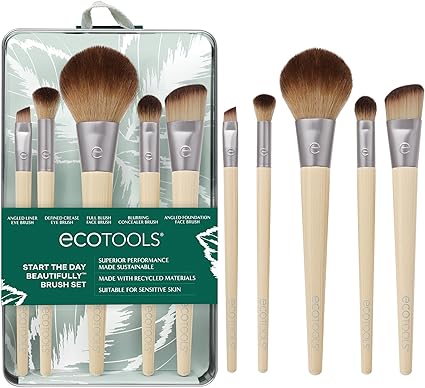
    EcoTools Makeup Brushes — from around £6. Brushes with handles made from recycled materials and soft synthetic (so cruelty-free) bristles, at high-street prices. A genuinely sustainable upgrade from cheap throwaway brushes that shed within weeks, without the premium-brush price tag. [INSERT AFFILIATE LINK]

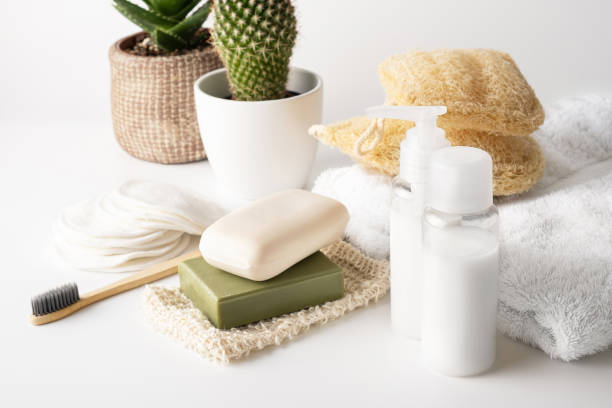
    Ethique Shampoo Bar — around £15. A concentrated solid bar that replaces up to three plastic bottles of shampoo and lasts for dozens of washes. Ethique is vegan, cruelty-free and a certified B Corp, so the ethics run deeper than the packaging. Slightly pricier upfront, far cheaper per wash, the swap that converts sceptics. [INSERT AFFILIATE LINK]

    Bambaw Bamboo Cotton Buds — around £3. Plastic cotton buds are one of the most common bits of beach litter; these swap the plastic stem for biodegradable bamboo for the price of a coffee. A tiny change, but one you’ll repurchase guilt-free forever. [INSERT AFFILIATE LINK]

    The Konjac Sponge Company Facial Sponge — around £8. A natural, biodegradable sponge made from konjac plant fibre that gently exfoliates and composts at the end of its life, unlike synthetic sponges that shed microplastics. A soft, sustainable swap for sensitive skin. [INSERT AFFILIATE LINK]

    3. How to Swap Without the Waste

    One important rule: don’t bin everything you currently own to “go sustainable”. Throwing usable products away creates more waste, not less, and rather defeats the point.

    Instead, swap as you run out. When your mascara dries up, your shampoo bottle empties or your last cotton pad goes in the wash, replace that one thing with a greener version from the list above. Start with the daily-use items, since that’s where a single swap saves the most over time. Within a couple of months you’ll have quietly rebuilt your routine, spent less than you used to, and barely noticed the change, except in your bin.

    Small Budget, Real Impact

    Sustainable beauty isn’t a luxury reserved for big spenders. The swaps that matter most are often the cheapest, because reusables and concentrated bars cost less over their lifetime than the disposables they replace. There’s no compromise to make and no fortune to spend.

    Pick one swap to start, see how easily it slots into your routine, then add another when you next run low. For more easy wins, browse the rest of our sustainable beauty edit, where every pick is chosen to be kinder to your skin, your budget and the planet.


    References


  • Shampoo bars, Foundation bars and Beyond: The Rise of Solid Beauty

    Shampoo bars, Foundation bars and Beyond: The Rise of Solid Beauty

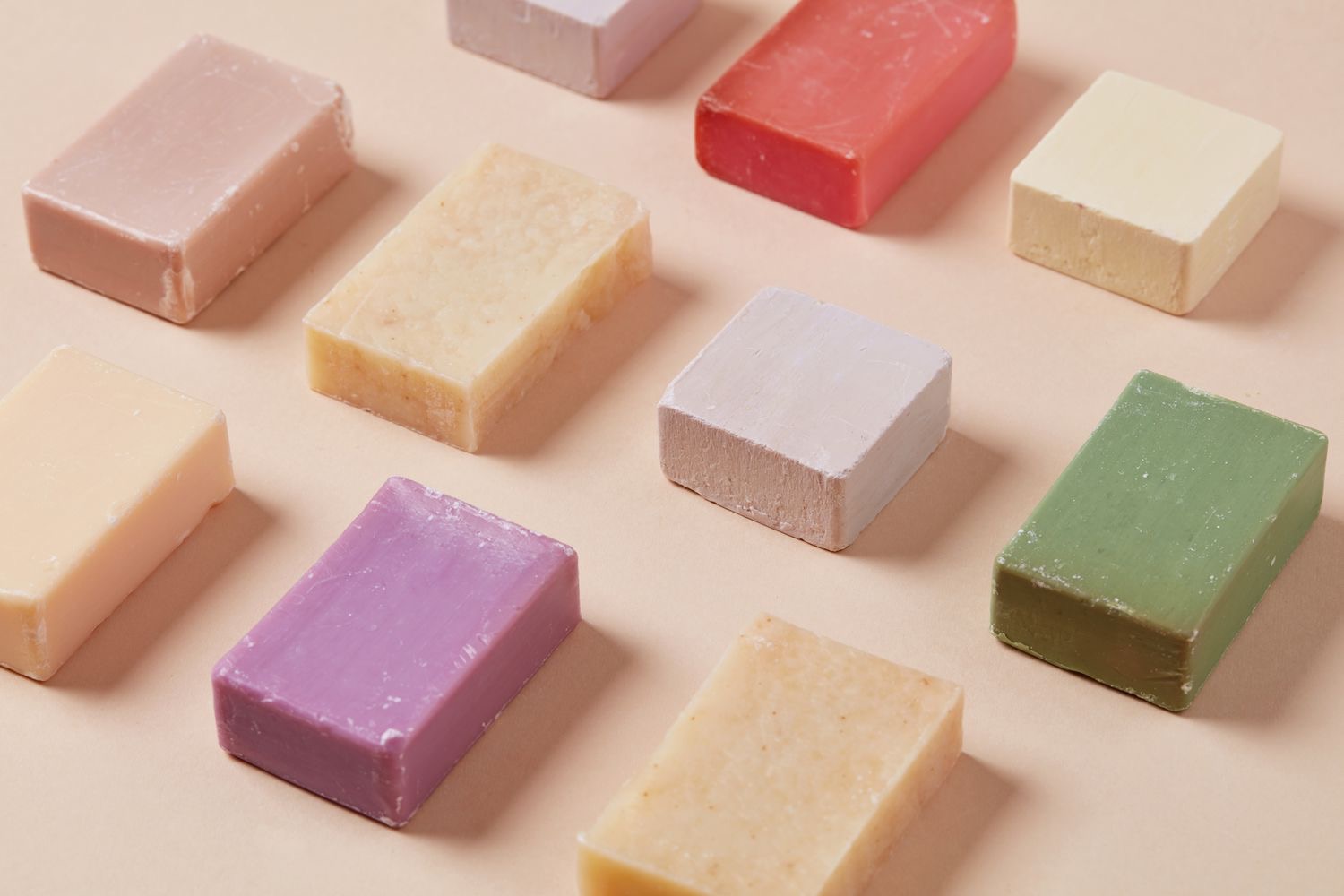
    Here’s a fact that reframes your bathroom shelf: most liquid shampoo is around 80% water. You’re paying to ship water in a plastic bottle that takes centuries to break down. Solid beauty bars strip the water out, leaving concentrated, travel-friendly products with little or no plastic, and the format is booming for exactly that reason.

    It started with shampoo, but it hasn’t stopped there. Conditioner, cleanser, body wash and even moisturiser now come in bar form. Here’s why solid beauty works and the bars worth starting with.

    In This Guide:

    1. Why solid beauty is booming
    2. It’s not just shampoo anymore
    3. Our Sustainable Picks
    4. How to make the switch

    1. Why Solid Beauty Is Booming

    The headline benefit is plastic. A single solid bar typically replaces two or three plastic bottles, and the packaging is usually cardboard or nothing at all. Across a year of washes, that’s a serious dent in your plastic footprint.

    There’s a performance logic too. Because bars are concentrated rather than watered down, a little goes a long way, so they often last longer than the bottles they replace. And they’re brilliant for travel: no leaks, no liquid limits, no bulky bottles.

    2. It’s Not Just Shampoo Anymore

    One quick myth to clear up: a modern shampoo bar is not a bar of soap. Soap is alkaline and can leave hair dull; a proper shampoo bar is formulated like liquid shampoo, just without the water, and pH-balanced for your scalp.

    Beyond shampoo, the “solid” format has spread fast. You’ll now find conditioner bars, solid facial cleansers, body-wash bars and even solid serums and moisturisers. If it used to come in a bottle or tube, someone is probably making a plastic-free bar version of it now.

    3. Our Sustainable Picks

    Four bars to start with, from a category leader to a high-street steal. Drop your tagged links into the markers below.

    The category leader:

    Ethique Shampoo Bar. A certified B Corp pioneer of solid beauty, Ethique is vegan, cruelty-free and entirely plastic-free. One shampoo bar replaces around three bottles of liquid shampoo, with formulas for every hair type, and the brand says it’s kept tens of millions of bottles out of landfill. The benchmark bar.

    The perfect partner:

    Ethique Conditioner Bar. Pair it with the shampoo bar for a fully plastic-free wash. A single conditioner bar replaces roughly five bottles, and a swipe down the lengths is all you need. Conditioner bars take a wash or two to get the hang of, but they go a very long way.

    Beyond haircare:

    UpCircle Cleansing Face Balm. Proof the plastic-free movement reaches past the shower. This award-winning balm melts into skin to lift makeup, SPF and grime, then wipes away with a cloth. It’s made with upcycled apricot stones (ground into a fine, gently exfoliating powder), is vegan and B-Corp certified, and comes in a recyclable glass jar with an aluminium lid. A neat way to take the plastic out of your skincare routine too.

    The high-street steal:

    Garnier Ultimate Blends Shampoo Bar. The easiest, cheapest entry point. Widely stocked, gentle on the wallet, and Garnier is approved by Cruelty Free International. If you want to test whether bars work for you before committing, this is the no-risk trial.

    For a smaller, UK-made option, The Solid Bar Company (a B Corp handmaking bars in Oxfordshire) is also well worth supporting.

    4. How to Make the Switch

    A heads-up that saves disappointment: if you’re coming off silicone-heavy liquid shampoo, your hair may go through a short “transition” of a wash or two as it rebalances. Stick with it, this is normal, and it passes.

    To get the most from your bars, store them on a draining soap dish or rack so they dry out between uses, never sitting in a puddle. Dry bars last far longer. Wet your hair, swipe the bar a few times, lather with your hands, and rinse as usual.

    Small Bar, Big Difference

    Solid beauty is one of the most satisfying sustainable swaps because the impact is so visible: bottles that simply disappear from your routine. The bars are concentrated, long-lasting, travel-proof and, increasingly, every bit as good as the liquids they replace.

    Start with a shampoo bar, give it a couple of washes to settle in, then branch out into conditioner and cleanser. For more plastic-free picks, explore our sustainable beauty edit.


    References


  • The Impact of Beauty Industry on Environment: Choosing Sustainable Products for a Healthier Planet

    The Impact of Beauty Industry on Environment: Choosing Sustainable Products for a Healthier Planet

    The Impact of Beauty Industry on Environment: Choosing Sustainable Products for a Healthier Planet

    The beauty industry, known for its innovation and trendsetting, also bears a significant environmental burden. From excessive packaging to harmful chemicals, the traditional beauty market has a notable impact on our planet. However, the growing demand for sustainable practices is encouraging brands to rethink their approaches. This shift is not only crucial for reducing the ecological footprint but also for promoting a healthier planet. In this blog, we will explore the environmental impact of the beauty industry and highlight sustainable products like eco-friendly makeup brushes and sustainable packaging solutions that are making a difference.

    The Environmental Impact of the Beauty Industry

    Excessive Packaging Waste

    One of the most significant environmental issues within the beauty industry is packaging waste. Beauty products often come in elaborate, multi-layered packaging designed to attract consumers. Unfortunately, this leads to massive amounts of waste, much of which is not recyclable and ends up in landfills or oceans.

    Harmful Chemicals

    Many conventional beauty products contain synthetic chemicals that are not only harmful to human health but also detrimental to the environment. These chemicals can contaminate water sources and soil, disrupting ecosystems and harming wildlife.

    Carbon Footprint

    The production, transportation, and disposal of beauty products contribute to carbon emissions. From the extraction of raw materials to the manufacturing processes and distribution, each stage has a carbon footprint that adds to the overall environmental impact.

    Choosing Sustainable Products

    As consumers become more environmentally conscious, the beauty industry is responding with sustainable alternatives. Here are some eco-friendly products that can help you make a positive impact:

    Eco-Friendly Makeup Brushes

    Traditional makeup brushes are often made from non-renewable resources and synthetic materials. In contrast, eco-friendly makeup brushes are designed with sustainability in mind, using materials that are renewable, biodegradable, or recycled.

    Product Highlight:

    • EcoTools Makeup Brush Set: Available on Amazon UK, these brushes are made from recycled materials and have handles crafted from sustainable bamboo. They offer high-performance application while being kind to the environment.

    https://amzn.to/4aMxAAN


    Sustainable Packaging Solutions

    Brands are increasingly adopting sustainable packaging solutions to minimize their environmental footprint. This includes using recyclable, biodegradable, or reusable materials that reduce waste and pollution.

    Product Highlight:

    • Ethique Clarifying Solid Shampoo Bar for Oily Hair (80 Washes)- St Clements – Vegan, Eco-Friendly, Plastic-Free, Cruelty-Free: These products, available on Amazon UK, come in compostable packaging, reducing plastic waste significantly. Ethique also focuses on using natural, sustainably sourced ingredients.

    https://amzn.to/3V0yR1C


    Benefits of Choosing Sustainable Beauty Products

    Environmental Preservation

    By opting for eco-friendly products, consumers can significantly reduce the amount of waste and pollution generated. This helps preserve natural resources and protect ecosystems.

    Healthier Ingredients

    Sustainable beauty products often prioritize natural and organic ingredients over synthetic chemicals, leading to safer and healthier options for consumers.

    Supporting Ethical Practices

    Many sustainable beauty brands are committed to ethical practices, including fair trade, cruelty-free testing, and supporting local communities. By choosing these products, consumers can support these important initiatives.

    Conclusion

    The beauty industry has a profound impact on the environment, but the rise of sustainable products offers a path to a healthier planet. By choosing eco-friendly makeup brushes and embracing sustainable packaging solutions, consumers can make a significant difference. As we move towards a more conscious and responsible approach to beauty, every small change counts. Let’s commit to making thoughtful choices that benefit both our wellbeing and the environment.

    Embrace sustainable beauty and join the movement towards a healthier planet. Together, we can redefine beauty standards and create a brighter, greener future for generations to come.

    By Anna McLean

    Keywords: Sustainable beauty, Eco-friendly makeup brushes, Sustainable packaging solutions, Green beauty products, Environmentally conscious cosmetics, Zero waste beauty, Organic beauty products, Eco-conscious skincare, Recyclable beauty packaging, Natural makeup brushes