We all have experienced this- you have gotten up with the most perfect of make-up on and by the time you get to lunch it is just sliding, fading or patchy. Prolonged makeup does not necessarily imply constant re-applications or thick layers of makeup. Your makeup can then be fresh in morning to evening with the right techniques.
Buy From: https://amzn.to/46EFrlj
The following are 4 simple tricks that could help your makeup to last the whole day, regardless of the type of skin or the time of the day.
Start with Proper Skin Prep
The long-lasting makeup starts even before the touch of your foundation. Unless your skin is cleansed, hydrated and primed, then there is not a good base to which your makeup can adhere.
Steps for perfect prep:
Wash: Wipe down all the dirt or oil so that the makeup is placed on a clean piece of canvas.
Moisturise: Oily skin requires it to be moisturised – use a light gel or a mattifying moisturiser.
Prime: Select a primer which fits your skin type. Mattifying Primer- this can be used to control shine, whereas a hydrating one is necessary to ensure smooth skin on dry skin.
Pro tip: SPF is not something to skip on but it should be an SPF that layers well under the makeup.
Use Makeup in Light, Addictive Creams.
Applying excessive amount of makeup is one of the largest causes of makeup melting or caking. Layers that are heavy do not stick and disintegrate quicker.
How to do it right:
A light layer of foundation is applied, followed by adding on where coverage is required.
Hide blemishes rather than adding extra foundation.
In the case of powders, apply a fine dust on only oily skin (T-zone).
This forms a lighter, natural foundation that has a prolonged day time wear.
Prepared with Powder and Setting Spray.
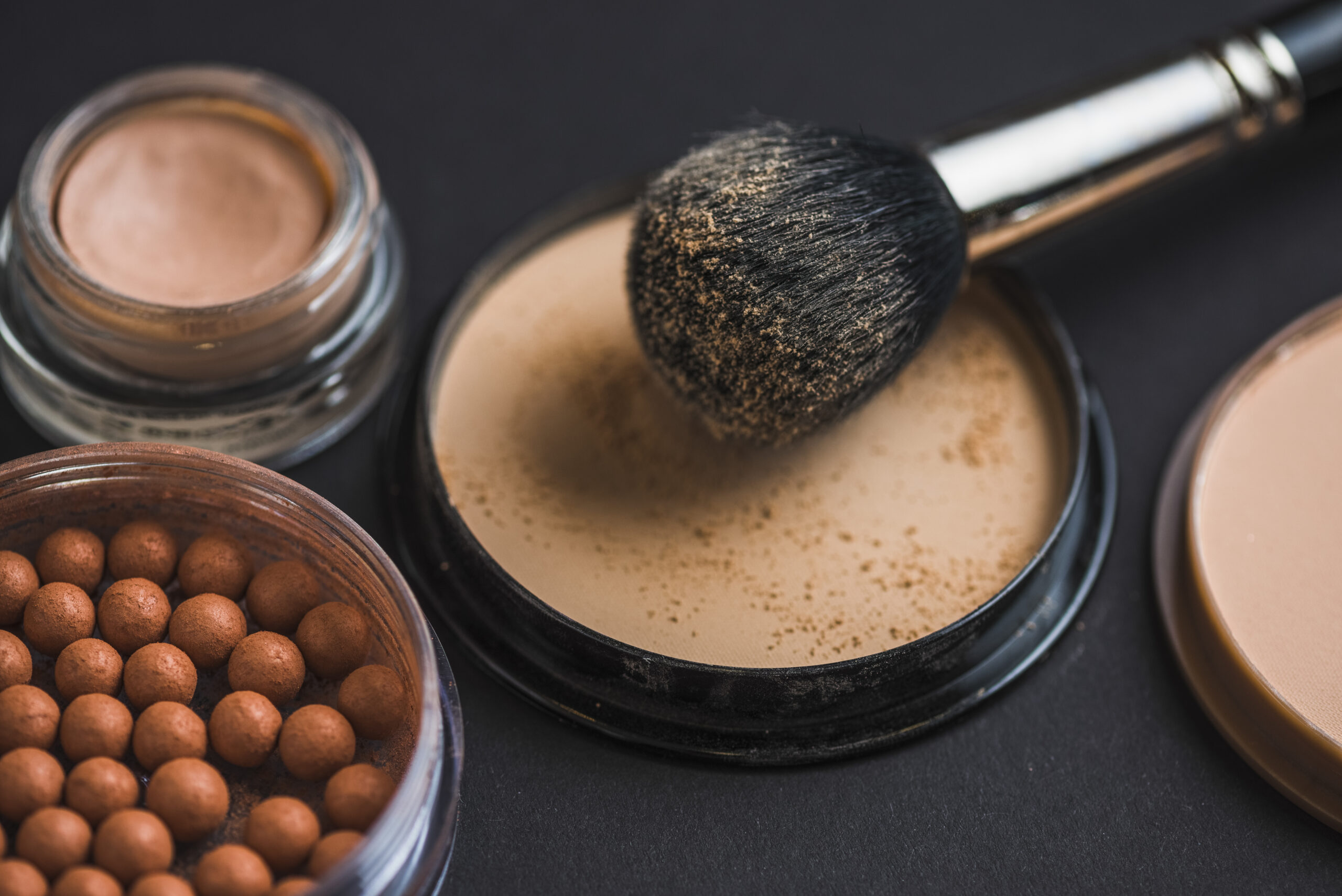
Powder is used to lock up foundation but excess use of the powder may give your skin a dry or cake result. It is a trick of doing it strategically.
Best practices:
Apply powder on the oily parts of the face, such as forehead, nose and chin.
Apply a clear powder that is well ground to a natural finish.
At the end finish with setting spray to fuse all the layers to make up stay.
How to do it: To make it last longer, use the so-called sandwich technique, which means powder after primer (before foundation), after foundation, and concealer.
Select Long-Wear, Transfer-Proof Formula.
What you sell is just as important as how you do it. In case the makeup is not long lasting, it may be time to change to long lasting formulas.
What to look for:
Preparation:Use oil-free longwear foundations that fight sweat and humidity.
Lipsticks:Select matte and liquid transfer-proof lipsticks.
Eyeliners and mascaras: Waterproof ones will not smear the whole day.
Pro Tip: In case you are a cream lover, apply the cream product over a similar powder (e.g., cream blush + powder blush) to have twice the power.
Final Thoughts
Staying put with your makeup need not be hard. With a bit of skin preparation, thin layers, placing strategically and using products to last a long time, you can have a perfect appearance that will keep you looking good even through a morning meeting and night time plans.
Note: this is to be a fresh, natural makeup that makes your skin look good- not the thick stuff that wears away quickly. These simple tricks will ensure that you will never be bothered by having to touch up again at mid-day.
Find all the beauty tips, reviews, and hacks and visit MakeupLabs.co.uk, where you can find all you will need to stay beautiful.
Author: dofm
-
4 Easy Hacks to Make Your Makeup Last All Day
-

8 Underrated Beauty Tools That Actually Transform Your Skin
When consideration of skincare comes to our minds, we mostly consider cleansers, serums, and moisturisers. Did you not know, however, that your instruments may entirely alter the appearance and feel of your skin? Although the priciest skincare items are the most popular, there is an abundance of unsung beauty products capable of producing the visible outcomes, such as assisting with deep cleansing, promoting circulation, increasing product absorption, among others.
Buy From: https://amzn.to/46FpZ8H
In this post, we will mention 8 underestimated beauty tools that you should add to your routine in case you want to have healthier, brighter, and more radiant skin.

Silicone Face Cleansing Brush.
No longer harsh scrubs: silicone cleansing brushes are soft, hygienic, and ideal in terms of ridding the skin of dirt, oil and make-up residue. The silicone tools are not porous, i.e., they do not retain bacteria in contrast to the traditional bristle brushes. They also feel gentler on the skin, thus perfect to use on a daily basis even on the sensitive skin.
Why it works:
Offers a profound, but still soft cleanse.
Helps prevent clogged pores
Enhances the blood flow in the skin to create a natural radiance.
Ice Roller
The ice roller might have a basic appearance, but it is a beast in terms of diminishing puffiness, smoothing redness, and tightening pores. A morning pick-me up: Rolling a chilled tool over your face helps constrict blood vessels making the tool calming and irritation-reducing.
Why it works:
Minimises puffiness and eye bags.
Calms the inflammation and redness.
Causes skin to look fresh and tighter.
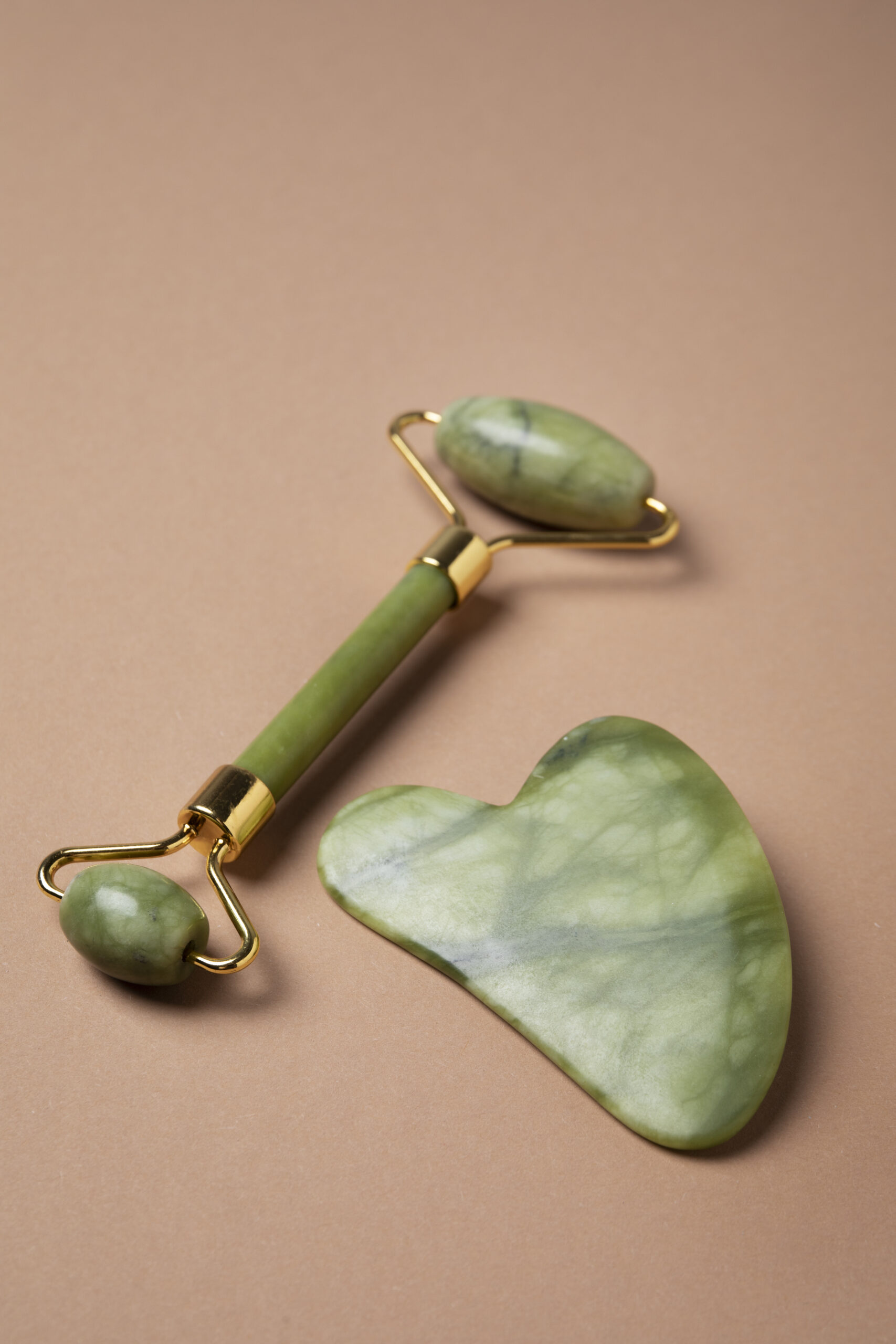
Jade Roller or Gua Sha Stone
These are tools that are based on ancient Chinese beauty regimens and have now emerged fashionable but little is known about their long term advantages by many. Jade rollers or gua sha stones allow the lymphatic drainage to occur and prevent swelling and make the skin look more sculptured.
Why it works:
Enhances circulation
Assists in lymphatic drainage.
Enhances absorption of products.
Derma Roller (Microneedling Tool).
A derma roller might not appear to be a pleasant sight with its tiny needles, yet, when properly applied in the home setting, it can enhance collagen production and enhance serums absorption. It works especially on fines, scars on the acne and irregular texture.
Why it works:
Activates collagen and elastin.
Enhances skin tone and hardening.
Increases serum efficacy.
Facial Steamer
A facial steamer often gets neglected but it can perform miracles to your skin. The steamy blackhead-softening, pores-opening, and skin-preparation effects of the warm steam are praised by those who have tried it. It is a home spa treatment to yourself.
Why it works:
Opens pores to deep cleansing.
Boosts circulation
Moisturises skin and prepares it to masks or serums.
LED Light Therapy Mask
The LED masks can be offered as luxury item, whereas they address the skin problems in the ways that cannot be addressed with creams alone. The various problems are addressed by the different light wavelengths: blue light combats acne, red light promotes collagen, and yellow light decreases redness.
Why it works:
Addresses pigmentation, wrinkles and acne.
Accelerates wound healing and repair.
Non-invasive and pain-free
Pore Vacuum Extractor
Dull skin can be caused by clogged pores and blackheads. Although it must be performed with care, pore vacuum (properly applied to low settings) can be used to clean up debris and avoid breakouts.
Why it works:
Clears clogged pores
Reduces blackheads
Makes the skin of the face look brighter and smoother.
Silicone Lip Brush
We tend to pay much attention to the skincare of our face and forget about our lips. It is a very small inexpensive product, a silicone lip brush that exfoliates, causing dead skin to come off and enhancing blood circulation. Combine it with a restorative balm and it is immediately that you have smoother, juicer lips.
Why it works:
Removes dry, flaky skin
Improves lip texture
Helps lip products are easy to apply.
Final Thoughts
Make-up tools are not necessarily the focus of much attention as serums and creams, but they have the potential of making your skin look beautiful provided they are regularly used. Since the dawn of deep cleansing brushes and derma rollers that boost collagen, these underutilised items improve your routine along with products to work better.
In case you are not joking around and you want to take your skincare to the next level, then you can just add one of them, or a few of them, to your daily/weekly routine. It is often the little things that change your life.
Discover additional beauty tips, guide to products and professional advice, on MakeupLabs.co.uk; your one stop destination of skincare that performs. -
9 Mistakes That Are Making Your Foundation Look Cakey
The ultimate goal of any makeup lover is to have a perfect base but when your foundation goes patchy, smears on or turns cakey, you are not alone. It is not an easy task when most people are trying to get that smooth skin-like finish and in most cases, it is only a matter of a few small errors in the skin preparations, application, or even the kind of products they use.
As a foundation wearer, you may have made some of the same mistakes that we are going to explain in this post to achieve the cakey look of foundation, and how to correct them to make the effect natural and smooth.
Skipping Proper Skin Prep
Foundation sticks to dry spots, skin oil or uneven feel. Without cleansing, exfoliating or moisturising, your skin is not going to give you a smooth canvas.
Fix it: It is best to begin with clean and moist skin. Exfoliator: Use a light exfoliator 12 times per week and put a light moisturiser on before make-up.
When you are Going to Hand the Primer In the Wrong Direction (or Just Omitting it altogether)
Much of the cakiness occurs due to the fact that foundation is not adhering to the skin. Without a primer that matches your skin type, foundation can be easily slipped off, collected in tiny lines, or appear thick.
Fix it: Select a primer that fits your requirements:
Oily skin → mattifying primer
Dry skin → hydrating primer
Dull skin/glowing primer.
Place on and allow to dry before foundation.
Applying Too Much Product
The need to apply the foundation in numbers to get the coverage effect usually backfires giving the result of excessive mask-like appearance.
Repair: The first layer should be thin and then add more and more coverage. A small product will travel far- particularly when it is accompanied by concealer on trouble spots.
Wearing the false Colour or Equation.
The inappropriate formula or an incorrect shade may cause the foundation to appear artificial and gunky. To illustrate, a matte foundation on dry skin can be overly emphasising on the texture.
Fix it:
Tune your foundation to natural sunshine, experimenting down the jawline.
Select based on skin type: hydrating type, used in dry skin, oil-control type, used in an oily skin, and lightweight type which is used daily.
Not Letting Skincare Absorb
When you apply foundation right after moisturiser or SPF do not allow the products to absorb, they may become mixed resulting in pilling or patches.
Fix it: Wet skin Wait 3-5 minutes after moisturiser/sunscreen before applying makeup. Wipe excess product off with tissue.
Using the Wrong Tools
It is not only what you put on your face that counts. The streaks can be left by fingers and dirty brushes or sponges can result in uneven application.
Fix it:
Apply a natural, airbrushed look using a moist beauty sponge.
Apply with a dense brush to become more complete with blending everyday in circular movements.
It is important to clean tools after every use.
Over-Powdering
Powder is fantastic in setting makeup, however, when applied in excess, it makes the skin appear dry, flat and cakey.
Fix it: Use powder where necessary (T-zone, under eyes, around nose). Light dusting is done using a fluffy brush or a puff is used to press the powder onto oily spots. A more natural finish would be a finely milled clear powder.
Neglecting Setting Spray
Leaving without setting spray makes the makeup look dry and unpolished.
Fix it: A setting spray fuses the layers together, blushes, as well as adhes the makeup. In cases of dry skin, hydrating mist should be used, whereas in oily skin, a formula that will be applied to the skin should be a mattifying formula.
No Touching Up at Work.
It can even break up even perfectly applied foundation. Cakiness might occur without touch-ups, oils, sweat or dry patches.
Fix it: Have a little powder and a bag of blotting papers. Oil should be blotted off and powder applied lightly where necessary. In dry seasons, spray on the hydrating mist rather than apply an extra layer of foundation.
Final Thoughts
Cakey foundation is not about bad skin or bad products, it is more about little things that can be corrected. With proper skin planning, the selection of appropriate products, the correct use of the foundation, and the reflection of a setting spray, you will be able to make your skin look smooth, radiant and natural-like each time.
Remember: less is more. Apply in thin layers, allow your skincare to absorb, and do not forget to refresh throughout the day. By this with these few tricks, you will have smooth-looking foundations, not caked foundations.
To get extra beauty tips, product reviews, and tutorials, follow MakeupLabs.Co.uk your one-stop shop to have perfect makeup and skin of a goddess.Purchase our Premium product: https://amzn.to/4h6YV5O
-
The Five Benefits of Vitamin C Serum to a Brighter Skin.
Vitamin C is by far one of the most talked-about ingredients in the skincare industry, as dermatologists, beauty bloggers, and skincare enthusiasts all over the world attest to the fact that it helps turn dull, tired-looking skin into a glowing, healthy-looking one. This article is one of those that would be useful to those who wondered why Vitamin C serums are commonly referred to as liquid gold to your face.
Here are five effective benefits of Vitamin C serum that will be examined below as to why it could become the best skincare choice you may ever make.

Lightens and Blushes Skin and Oiliness.
Among the greatest advantages of Vitamin C, there is the fact that it makes your skin look brighter and even. Vitamin C is like a natural radiance enhancer when you have had problems with dullness, uneven pigmentation or dark spots.
Mechanism of action: Vitamin C suppresses the synthesis of melanin which is responsible in the fading of hyperpigmentation, acne scars, and sunspots.
Conclusion: The effect of this in the long term is to make you look fairer and fresher, and younger.
Hack: Use Vitamin C serum in the morning prior to sunscreen to charge your radiance all day long.
PURCHASE NOW: https://amzn.to/46RkUbZ
Combat Oxidative Razes (Strong Antioxidant Protection)
Your skin is subjected to environmental stresses, such as pollution, UV rays and toxins that generate free radicals, on a daily basis. By destroying skin cells these unstable molecules accelerate the ageing process.
Vitamin C is also a strong antioxidant which counteracts the free radicals before they damage your skin.
Frequent application will slow the effects of sun exposure and pollution that shows premature ageing.
Imagine it as the invisibility shield of your skin and your skin is shielded against the aggressors of the environment every day.
This is unique because Vitamin C is particularly useful to urban residents that are exposed to great pollution.
Boosts Collagen Production
The protein, which makes your skin plump, firm, and young, is Collagen. It is a sad fact that collagen levels naturally decline with age resulting in fine lines, wrinkles, and sagging.
Vitamin C activates the production of collagen, which contributes to the restoration of the skin and its tone.
With the course of time, the skin becomes less wrinkled and smoother.
It works well with retinol and peptides as an anti-ageing skincare regimen.
Pro Tip: Consistency is key. The production of collagen is a long process and thus Vitamin C should be used daily to see the results.
Minimises Redness and Inflammation.
In case your skin is sensitive, is easily irritated or reddened, Vitamin C may be used to soothe the situation.
It possesses anti-inflammatory effects which minimise acne, rosacea or sunburn redness.
It is useful because of regular use which strengthens the skin barrier and in the long term the skin becomes less reactive.
Your skin is not only brighter, but also smoother and more even.
Make sure to patch test and then start with a low concentration (approximately 10 per cent) if you have very sensitive skin.
Protects against the Sun (In combination with Sunscreen)
Vitamin C alone does not replace the SPF- though when applied under the sunscreen, it makes your sun protection much more effective.
It minimises oxidative stress of UV radiation on the skin.
Helps avoid the long-term effects of sun that include pigmentation and wrinkles.
Performs together with sunscreen to offer extended protection.
Always use Vitamin C serum first, leave it to seep in and then use sunscreen. This is a combination that is beloved by a dermatologist as an ultimate skincare product during the day.
Vitamin C Serum: How to Use Vitamin C Serum.
It is one thing to know the benefits but another to get results. That is how to use Vitamin C like a pro:
Cleanse & Tone→ Cleanse and Tone.
Apply Vitamin C Serum → 2-3 drops, lightly slapped on the skin.
Moisturise → Seal in hydration.
Apply Sunscreen (AM) last → Do not forget SPF during the day.
Vitamin C may also be combined with moisturising substances such as hyaluronic acid at night to provide a supplementary nourishment. It should not be used simultaneously with powerful exfoliants (AHAs, BHAs) or retinol unless the skin is in excellent condition.
Selection of the optimal Vitamin C Serum.
Vitamin C serums are not equal. The following are some of the tips to watch when shopping:
Focus: When first using Vitamin C, it is best to use 10%. With time, you can use a little more 15-20%.
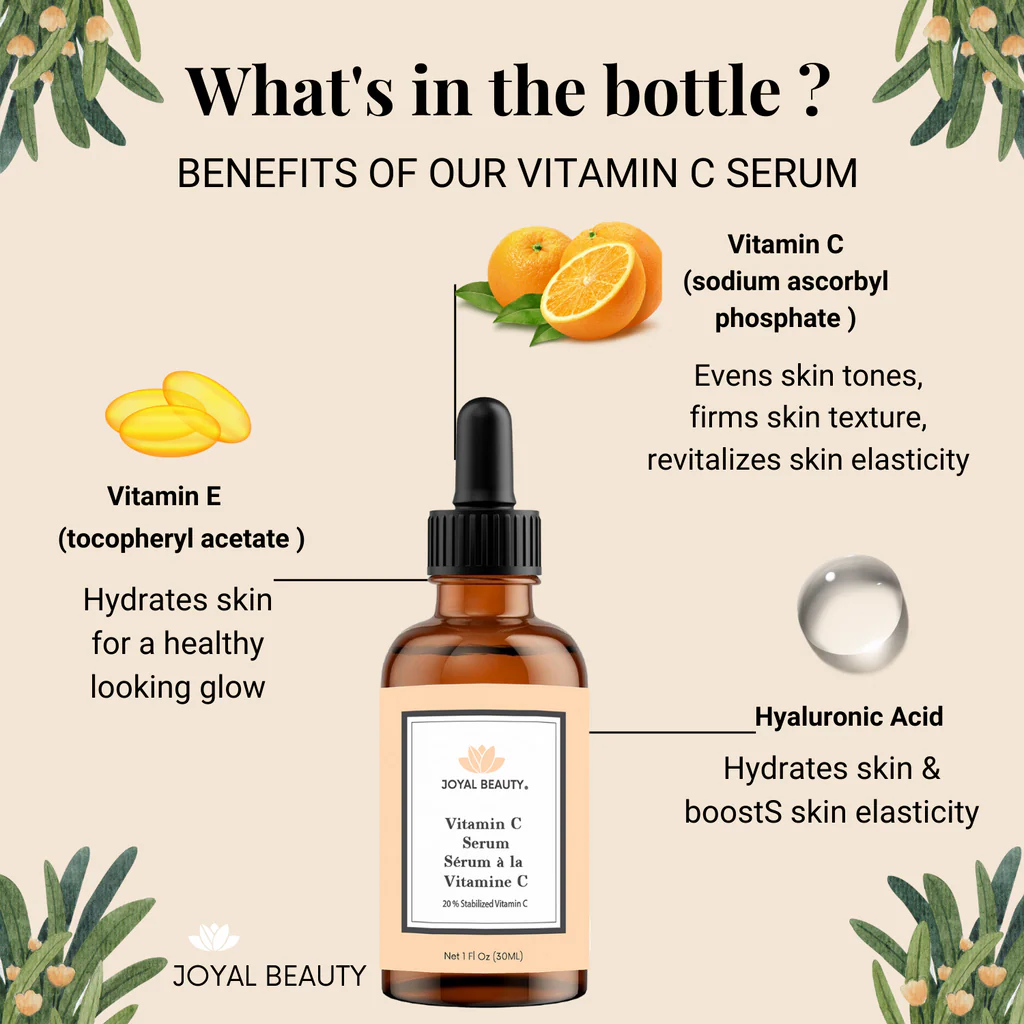
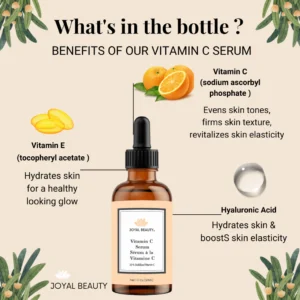
Form: L-Ascorbic Acid is the most effective form, which is why sensitive skin types may be more interested in such derivatives as Sodium Ascorbyl Phosphate or Magnesium Ascorbyl Phosphate.
Packaging: light and air destroy Vitamin C. Use dark-bottle glasses or pumps that are air tight at all times.
Stability: Examine the added stabilisers such as ferulic acid or Vitamin E which will improve performance.
Final Thoughts
Vitamin C serum is not merely a skin care craze but rather a dermatologist-approved heavyweight that is able to show immediate outcomes. Its effects, whether short-term or long-term, are to lighten your complexion and darken the dark spots, increase collagen and prevent free radical damage.
And in the quest to have a bright, firm, and healthy skin, this multitasking ingredient should be incorporated in your day-to-day routine.
At MakeupLabs.co.uk, we are of the opinion that skincare must make you feel good all the time. The possible benefits of adding Vitamin C serum are huge, given that the uber-glam skin is always a hot trend. -
How to Prep Your Skin for Flawless Foundation Application
To achieve a perfect foundation appearance, you will have to begin way before the brush touches your face- this will be with proper skin preparation. Even patchy skin, redness or dullness, dry areas or shininess can be refined into a flawless uber-glossy makeup canvas with the proper regimen. It is on this post that we are going deep into the steps you should take to prepare your skin like a professional, and make your foundation look airbrushed, even, and beautiful.
Cleanse – The Clean Slate
First come first things first: one should always start with a clean face. Pollutants, sweat, remnants of makeup, overnight oils, etc. all these may complicate the adhesion and wear of foundation. Apply a mild cleanser according to your skin:
Dry skin → cream or balm cleanser that moisturizes.
Oily/combination skin → gel or foam cleanser which can help to remove excess oil without stripping the skin off.
Delicate skin- non-scented, low PH, and hence does not irritate the skin. Remember to wash off completely and dry (do not rub) leaving none behind to make the patchiness in the future.
Purchase our premium product: https://amzn.to/48PmZaX
Exfoliate (Once a Week or When Necessary)
Your foundation foe is texture. Irregular-textured and flaky skin, dry spots, and dead skin cells may cause the foundation to adhere to the skin in the undesired areas. Light exfoliation helps:
Chemical peels such as AHAs or BHAs are mild and can be used on a regular basis.
Physical exfoliants (scrubs) or soft exfoliating brush- apply sparingly and to only those areas that have excess.
In case you have very sensitive or reactive skin, exfoliation should be done once a week, however, 2x a week may be well exercised after how your skin reacts to it. The objective is not to irritate but smoothness.
Tone & Rebalance
Toner is what you apply after cleansing (and exfoliating, should you have done it) to restore pH balance, close the pores and in some cases, bring hydration or relaxing benefits. An exfoliator has the ability to prepare your skin to receive subsequent stages of your skincare as well.
In case of tightness in the skin, choose a toner that contains hydrating properties (e.g., glycerin, hyaluronic acid). In case you are oily, find toners that are shine control but not very drying.
Moisturise – Hydration Is Key
Moisturised skin = foundation that wears. Dry parts will drag the foundation causing uneven areas; oily skin will overcompensate resulting in slipping makeup. Moisturiser is used to provide a shield between your skin and make-up, and to flatten a fine line.
Permit moisturiser to dry and proceed. This usually takes 3-5 minutes. This step should not be rushed as it becomes pilled or has a patchy look.
Apply richer creams on the dry or mature skin; liquid or gel-based creams on the oily or combination skin.
Eye Cream (Not compulsory yet Significant)
The skin on the eyelids is very sensitive and is likely to dry, have fine lines and wrinkles. An eye cream is hydrating and fast absorbing and helps:
Blur fine lines
Stop concealer/ foundation creasing.
Lighten the area beneath the eyes to achieve a level area.
Always make sure to allow it to dry before using concealer or foundation.
SPF Protection
Although you may be indoors or feel that you are not in direct sunlight, UV rays still can have an impact on your skin making it dull and pigmented. It is necessary to use a broad-spectrum sunscreen, which has a minimum of SPF 30. Most of the recent SPFs are formulated in a way that they can be applied beneath makeup without pilling.
A multitasking product (e.g., tinted moisturiser or SPF-containing primer) will make combining two or three products an easier task, should you be able to afford it.Wear a Primer (Skin Type Matters)
A good primer is a primer that is a base coat to a painting; it smooths the texture of the painting, reduces pores, adds a glow to the oil or reduces the longevity of the foundation. Select the primer according to your requirements in the skin:
Moisturising or dewy skin primers.
Oily skin primers Mattifying or oily skin primers
Lighting up the glamour on weary or thirsty face.
Colour-correcting primers in case they are red or patchy.
Use the pea size but primarily on problem areas (nose, cheeks, forehead). Allow the primer set to dry fully and then put on foundation.
Prep Materials: Clean Sponges, Clean Brushes, Application Tools.
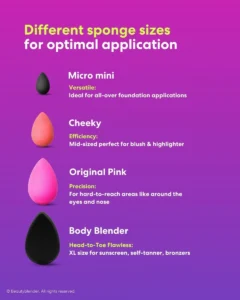
The most effective skincare will not work in the case when your tools are dirty. Sponge and beauty blenders, foundation brushes need to be clean:
Prevent bacteria build-up
Minimise patches formed by residues of the product.
Make a smooth and even application.
In the case of sponges, wet them down (squeeze out all the water out). In the case of brushes, before application, tap/ flick off excess powder product.
The Shade Matching and Right Foundation.
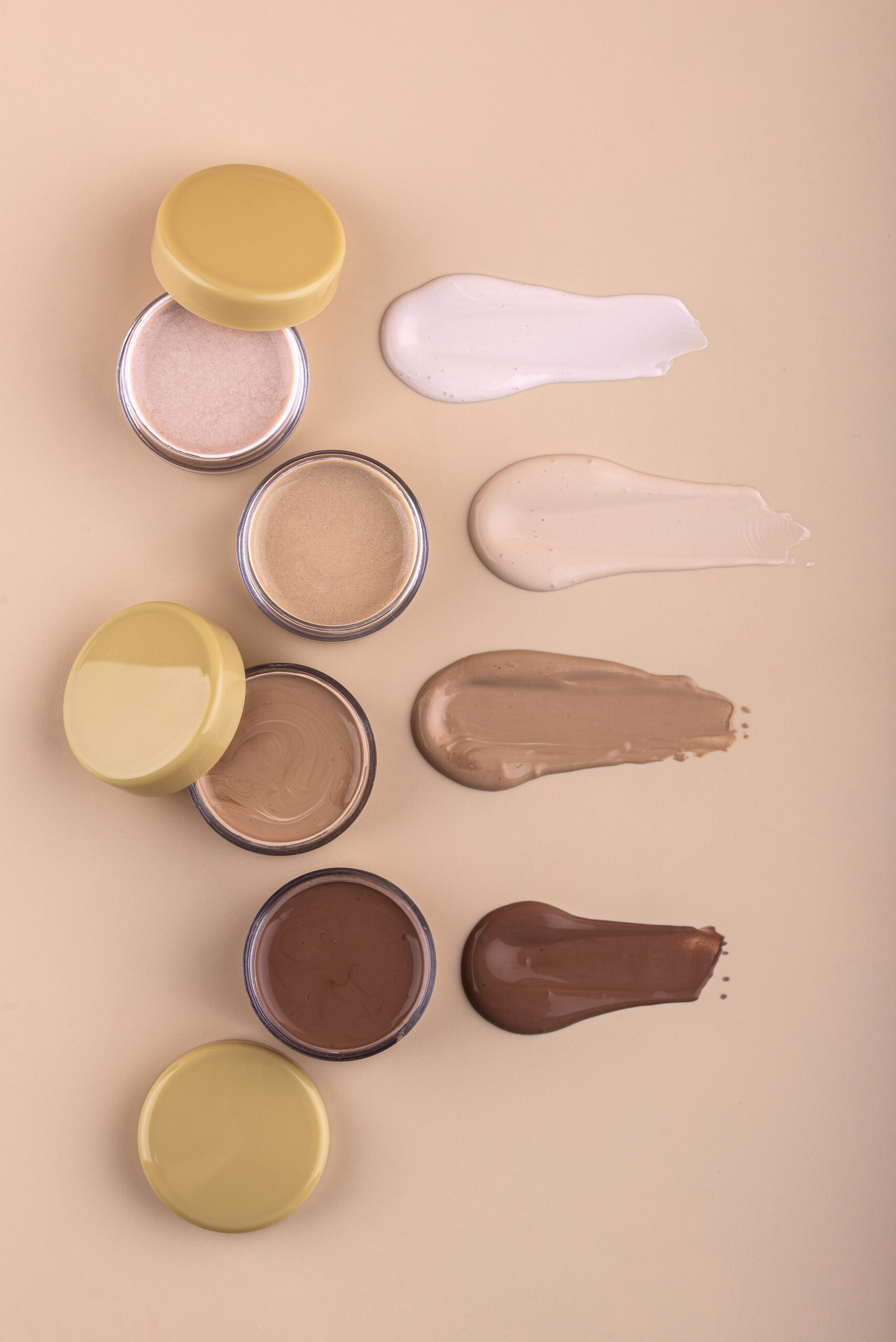
Now you are fit to take foundation–but you must still choose the one to suit you:
Find your shade based on the natural light on your jaw/neck.
Take into account your type of skin (matte, satin, dewy finish).
Consider the degree of coverage (light, medium, full) based on the amount of correction that you require.
Moreover, light makeup with the help of two formulas (lighter one + concealer) may prevent the heavy use of make-up.
Application Tips: Where and How to apply.
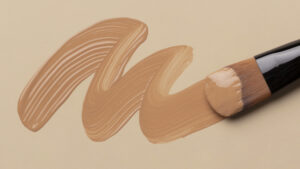
The foundation is to be applied in the middle of your face (nose, forehead, cheeks) where an individual may have redness or a blemish, then blended out to the jaw and to the hairline. This helps avoid harsh edges.
Wipe/dabbing instead of dragging- this is what causes the product to melt into the skin and not create any streaks.
Warm and natural blend with fingers, add more coverage with brushes and airbrush finish with sponge.
Setting & Finishing Touches
Once it is on, fix foundation correctly so you can make it last and still have a fresh appearance:
Apply under eyes or nose with a light powder setting powder to avoid creases/shine.
Lightly dust off or dust off thick powder where it is likely to get oily (T-zone, chin). Don’t over-powder dry areas.
Spraying or misting can be applied to the layers to melt and smooth together and extend the wear duration.
Common Mistakes to Avoid
Failure to allow skincare to absorb will cause pilling or roughness.
Excessive moisturising of oily skin – may lead to sliding/melting.
Excessive exfoliation would cause irritation and increased texture.
Shade mismatch occurs upon using the wrong shade.
Thick hand on product when the light layers are frequently more appropriate.
Final Thoughts
Prep is not a nice-to-have it is a must. Consider the three components of a foundation, tools and skincare. Even the best foundation will not work well in case the foundation is based on weak skin (uncleansed, dry, unprimed). However, prepare yourself properly and you will see:
smoother skin texture
prolonged foundation.
less blemishes making their appearance.
an instinctive, mixed look.
Allow yourself those few extra minutes every time. Your body will be pleased with your skin – and foundation.
-

5 Common Mistakes That Are Making Your Pores Look Bigger
One of the most frequent concerns in the skin is large pores. Although pores cannot be reduced to nothing (the size of a pore mostly depends on the genetics), some habits might cause them to appear bigger. The good news? Their occurrence can be reduced with the help of proper skincare routine and some clever adjustments, so you can have smoother and clearer skin.
This blog will reveal the 5 most common errors that are causing your pores to appear larger – and how you can correct it.

Skipping Sunscreen
The Error: Sunscreen is not mandatory as many people may be tempted to believe; sun exposure is among the largest contributors to enlarged pores. The damage of UV destroys the protein collagen and elastin which are the proteins that make your skin firm. With the loss of skin elasticity, pores become larger because of being stretched.
The Solution: Use a broad-spectrum SPF 30 or more each and every day, regardless of the weather. Use light gel or fluid formula since you have oily skin, otherwise your sunscreen would not be greasy or clogged pores.
Purchase now: https://amzn.to/3KY8gk7
Over-Exfoliating
The Mistake: Although it might seem like washing your face with rough exfoliators frequently helps to keep your pore volume at bay, it can actually have the opposite effect. Over-exfoliation makes your skin red, and robs your skin of natural oils, which sparks more oil production, resulting in clogged pores that appear bigger.
The Solution: Continue with mild exfoliation 23 times a week. The oil-free and acne prone skin should be treated with the chemical exfoliants such as salicylic acid since they enter the pores and empty the excess sebum without scrubbing the skin harshly.
The Mistake of using the Wrong Products to your Skin Type.
The Error: Thick Oils, heavy creams or makeup that plugs pores may sink into your skin and cause pores to look larger. In the same manner, applying excessively drying products can dry up your skin and make it generate excess oil.
The Fix:
In oily skin: Select non-comedogenic and oil-free moisturisers.
On dry skin: Moisturise using lightweight gels or water-based creams that do not block pore.
Always cheque the labels and do not use ingredients that are known to be comedogenic (such as coconut oil).
Not Cleansing Properly
The Error: Missing your evening cleanse or doing it quickly means that dirt, make-up and sunscreen remain stuck in your pores. With time, this accumulation lengthens them, so that pores will look bigger and more prominent.
The Fix:
Wear make up or SPF? then double cleanse at night. Begin with a cleansing balm or micellar water, and then proceed with one that cleanses softly, a foaming cleanser.
Apply lukewarm water – very hot water will strip the skin and irritate it.
Always take off make-up before going to bed even on a one-night basis.
Ignoring Hydration
The Fallacy: Everybody with oily or acne-affected skin is scared of moisturiser because he/she thinks it will clog his/her pores. However, when the skin becomes dry it releases even more oil that causes blockage and swelling of pores.
The Solution: Moisturise your skin with non-greasy, water-light moisturisers. Find ingredients such as hyaluronic acid and niacinamide, which volumize the skin and smooth texture, and pores appear smaller.
Additional Tricks to Reduce the look of pores.
You know what not to do, so now here are some added tips on how to make your skin look smoother:
Once a week Clay masks are used to draw impurities and temporarily tighten the pores.
Retinoids enhance the cell turnover as well as increase in collagen production, which improves the skin texture in the long run.
Healthy lifestyle habits such as consuming antioxidant-rich foods, limiting sugar, and hydrating are all positively related to skin health.

Final Thoughts
Although you can do nothing to eliminate your pores, you can certainly prevent further enlarging them. Wearing the right clothing and shielding your skin against the sun, exfoliating, selecting the appropriate products, cleansing, and maintaining skin hydrate make a significant difference in how smooth and fine your complexion appears.
Keep in mind: skincare is a matter of consistency. By being consistent with the correct routine your pores will become smaller, your skin will feel healthier and your glow will be undeniable.
-
10 Skincare Myths You Need to Stop Believing Today
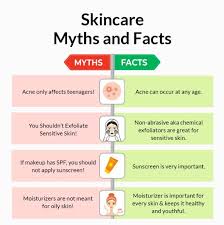
Everyone has some skincare advice they would love to share with other friends and family, as well as with their TikTok trends and beauty magazines. And not all you hear and read is true. Actually, most of the skincare tips that are most popular are myths and sometimes they end up harming your skin rather than supporting it.
With that said, we have listed the top 10 skincare myths that you must quit believing today, and what you should do instead.
Oily Skin Does not require Moisturiser.
The Myth: It is easy to say that when your skin is oily, no amount of moisturiser can help it and only make it greasy.
The Truth: Oily skin can actually be aggravated by skipping moisturiser. In the case of dry skin, the skin generates more oil to cover.
Alternative: Oil-free, lightweight, moisturiser with any of the hydrating ingredients such as hyaluronic acid or glycerin.
Purchase Now: https://amzn.to/4nBPptA
You Don’t Need Sunscreen When it Rains.
The Myth: When it is sunny outside, then you only need sunscreen.
The Fact: Even clouds do not block 80 per cent of UV rays. Even unprotected skin may be harmed, which causes premature ageing and even skin cancer.
What to Do Instead: Use a broad-spectrum of SPF 30 or more every morning regardless of the weather.
Always better Natural Ingredients.
The Myth: when natural, it must be better to your skin.
The Truth. Natural does not necessarily mean safe. Examples of these are lemon juice which may result in sun sensitivity and annoyance. In the meantime, artificial components such as niacinamide and peptides are very effective and safe when produced in labs.
What Not to Do: Select the products according to your skin type and concerns, rather than whether they are labelled as natural or not.
You Can Shrink Your Pores
The Myth: Pore reducing products are capable of reducing pores forever.
The Fact: The size of pores is largely hereditary. Though products may assist in making pores appear smaller making them look clean and clear, they cannot reduce in size.
Alternative: apply exfoliants such as salicylic acid and clay masks to minimise the effect of enlarged pores.
Higher the cost the better.
The Myth: The higher the price of a skincare, the more efficiently it will work than the less expensive ones.
The Truth: It does not have the price as a guarantee of effectiveness. Numerous cheap products have the same active ingredients as the high-end products.
What to Do Instead: Pay attention to ingredient lists and proven formulations — not the price.
You Do Not Need to Clean at Night when you have not put on Makeup.
The Myth: You can forgo cleansing prior to bed, so long as you forgo makeup.
The Verity: Dirt, oils, SPF and pollution continue to accumulate on your skin during the day. Even sleeping with this on your skin may clog your pores resulting in a breakout.
What to Do instead: Wash your face at night, but even without make-up.
Tingling Means It’s Working
The Myth: When a product tingles, it means that it works.
The Reality: Tingling is not usually a symptom of success, but irritation. In the long run, it may destroy your skin barrier.
Alternative: Discontinue the use of products that sting or burn (except in case of an approved treatment). Gentle care is always better.
You Just Need Anti-Ageing Products over 30.
The Myth: WRINKLE/Fine lines Skincare can only be used by older people.
The Truth: Prevention is key. It is more difficult to reverse ageing signs when one starts late.
Alternative: Add antioxidants such as vitamin C and make sure you wear SPF every day in your 20s. These are the tools of your best anti-ageing weapon.
Scrubbing Hard Will Clean Up Acne Faster.
The Myth: The stronger you scrub, the sooner you will be free of acne.
The Fact: Over-exfoliating irritates skin, spreads bacteria and may worsen the break out.
Another Replacement: Soft Chemical exfoliants (such as salicylic acid) a couple of times a week can be used instead of harsh scrubbing.
Water alone will give you a perfect skin.
The Myth: It is only with increased water consumption that you get a hydrated skin.
The Fact: Although water has a role to play in the overall health, it does not repair the dryness or skin ailments directly. It is equally important to have topical hydration.
Alternative: Hydrate proper by consuming a lot of water and applying hydrating skincare ingredients such as serums and moisturisers.
Final Thoughts
There are plenty of myths in skincare that can be bewildering, even dangerous. The truth is in the fact that healthy skin is based on regular attention, tested ingredients, and sunscreen. Don’t succumb to trends on the internet or advice that is old-fashioned. Rather, you should listen to your skin, select the items that suit your requirements, and keep in mind: simple, science-based routines are always triumphant.
Moving forward to your happier, clearer, and more confident complexion, you will be emptying your grip of these 10 skincare myths.
-
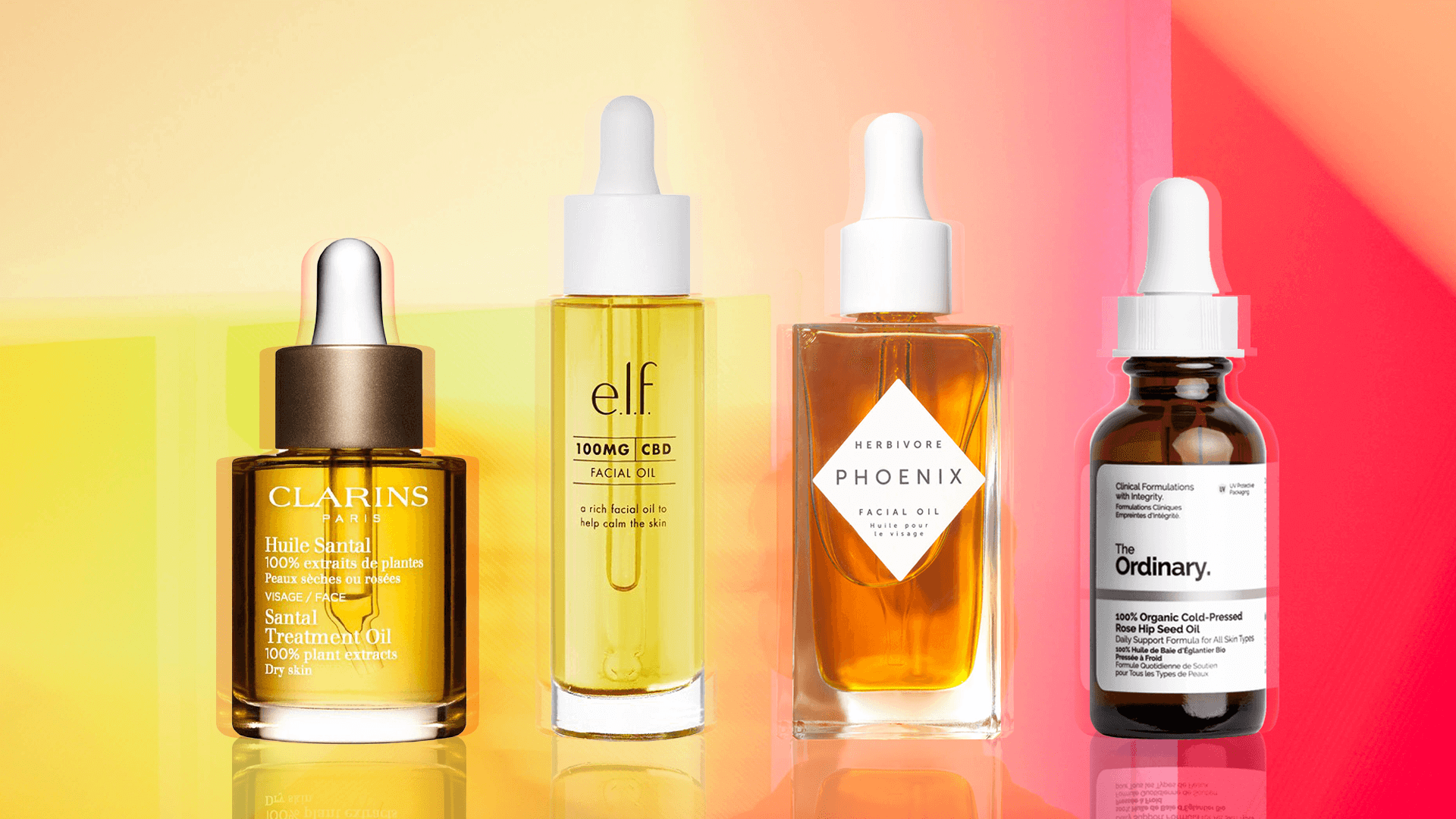
Top 5 Face Oils That Won’t Make You Break Out
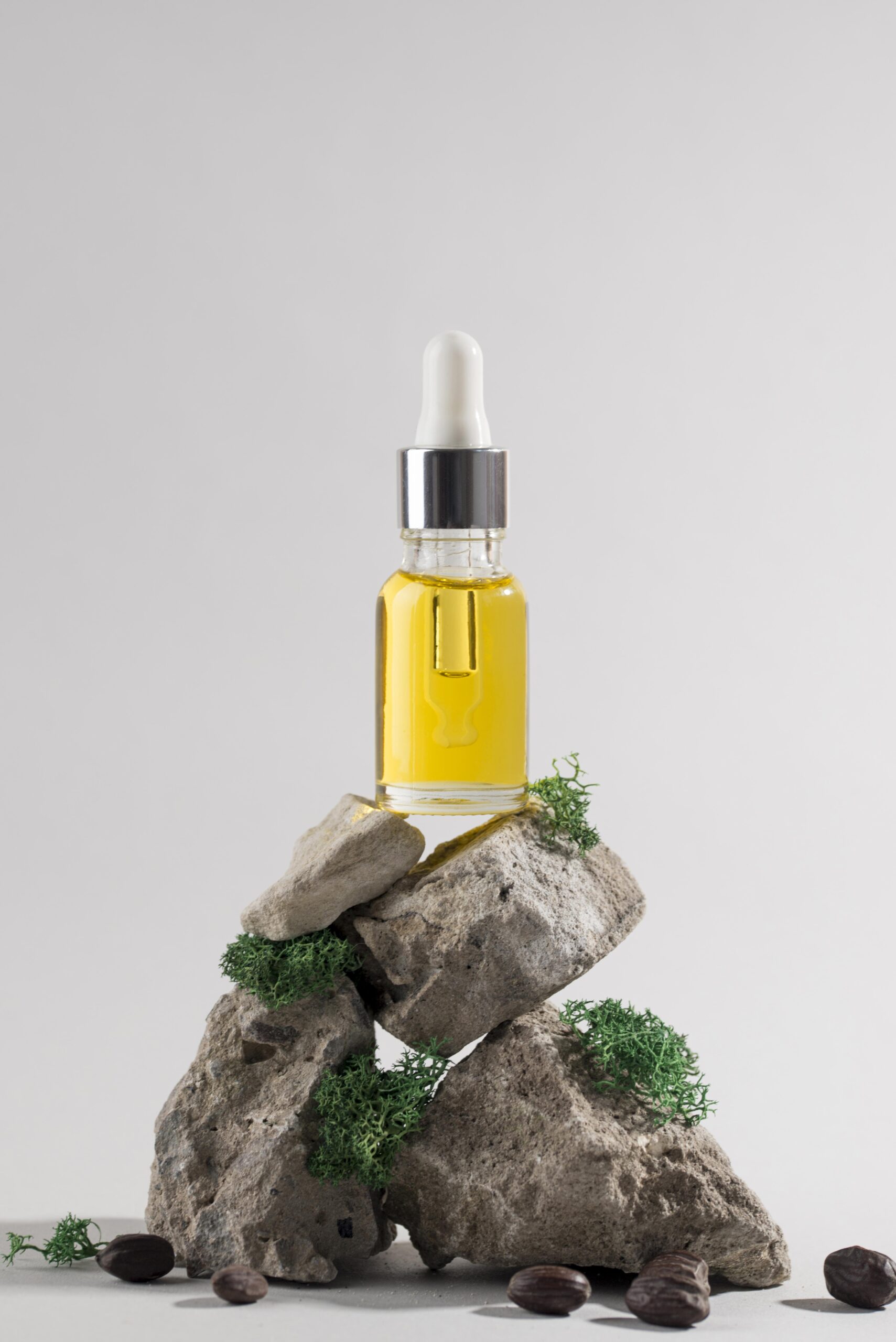
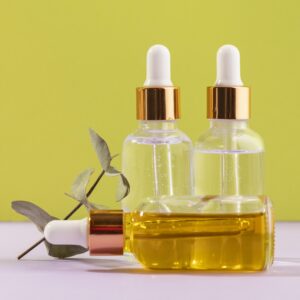
Face oils can be misunderstood in terms of pore clogging or breakouts and the reality is: not all oils are oily. The correct ones are able to balance your skin, control the production of the sebum, and even soothe irritation. When you have been shunning face oils thinking that you will get acne, you should reconsider.
Below is the list of the 5 best face oils that will not cause you to break out – they will help to keep your skin hydrated, glowing, and acne-free.
The reason Face Oils Can Help, not Hurt.
Normal skin produces oil (sebum) and due to an imbalance of the oil production system, the skin may become either dry or greasy, or the oil may give way to acne. Foolproof oils that are non-comedogenic and lightweight can actually:
- Balance oil production
- Freeze hydrate without pore congestion.
- Provide skin repairing antioxidants and fatty acids.
- Calm redness and irritation
The thing is to use the right oils on your skin type.
Purchase now: https://amzn.to/4pXLetR
- Rosehip Oil
Rosehip oil is a skincare powerhouse because it is lightweight, absorbs quickly and contains vitamins A and C. It is shown to fade scars, enhance skin tone, and combat free radicals and all without leaving behind a greasy residue.
Why it will not make you break out: Rosehip oil is non-comedogenic (scores low on the comedogenic scale) and can be used on oily/acne-prone or sensitive skin.
Best on: Acne scars, discolouration, skin dullness.
- Jojoba Oil
Jojoba oil is nearly the same as the natural sebum that your skin secretes. Due to this, it deceives your skin that it has adequate oil reserves, thus avoiding the production of excess sebum.
Why it will not break you out: Non- comedogenic and balancing – it hydrates without pores being clogged.
Best on: Oily and combo skin, those who cannot deal with shine.
- Squalane Oil
Squalane is ultra-lightweight and rapidly absorbing, which makes it a favourable choice of dermatologists. It penetrates deeply without being heavy and is not harmful to any skin.
Why it will not break you out: Squalane is not greasy or comedogenic, which makes it excellent on the acne-prone skin. It also contains anti-inflammatory which soothes irritation.
Appropriate to: Dry, delicate, or acneic skin.
- Hemp Seed Oil
Hemp seed oil, containing omega-3 and omega-6 fatty acids, regulates the production of oil and does not increase the redness. It does not sit on the skin like heavier oils and instead absorbs very fast and feeds the skin, nourishing it.
Why it will not break you out: It is extremely non-comedogenic and contributes to the balance of oily skin.
Best on: Redness, sensitive skin and inflammatory acne.
- Tea Tree Oil (Diluted)
Tea tree oil, which is known to have antibacterial effects, is a natural spot treatment of acne. Although it must always be diluted with a carrier oil (jojoba or squalane is a great choice), it is highly effective in reducing breakouts, and soothing irritation.
Why it will never make you break out: It does not block pores, but rather, it kills bacteria and influences flare-ups.
Best use: Topical application where there is acne.
The Best Ways to Use Face Oils without Breaking Out.
Even quality oils will bring issues when not properly handled. These are the ways to make them work in your favour:
- Late in your routine – Oils trap in moisture so put them on top of your moisturiser.
- Apply a small amount – 2 to 3 drops of the entire face.
- Select an appropriate oil to use on your skin type:Lighter oils (such as the squalane, rosehip) on oily skin and richer oils (such as hemp seed) on dry or irritated skin.
- Patch test –It is always advisable to test a new oil on a small patch after which it is applied on the entire area.
Bonus Tip: Which Oils to avoid when you can get acne.
Not every oil is amicable to breakout-prone skin. Avoid oils that are heavy and comedogenic such as:
- Coconut oil
- Wheat germ oil
- Flaxseed oil
These tend to block the pores and aggravate breakouts.
Final Thoughts
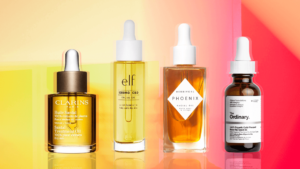
Oil on your face does not have to be the enemy of your skin- it can be helpful. All lightweight, non-comedogenic, hydrating and healing, rosehip, jojoba, squalane and diluted tea tree oil are not harmful to the pores.
Next time you change skincare, do not pass the section with the oils. You will have a balanced, nourished, and breakout-free skin 12 months round the year and have the right choice.
-

10 Products Under £20 That Will Save Your Skin
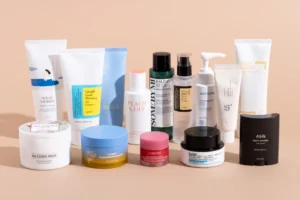
Beautiful, radiant skin does not necessarily need fancy skincare products at the high cost price. Actually, the UK high street and Web shops are awash with affordable skincare treasures that bring real outcomes. Be it the issue of dryness, dullness, breakouts or even sensitivity, affordable alternatives are there that can turn your skincare routine around totally.
The following are our top 10 products you can use under £20 to save your skin – without busting the bank.

Ordinary Niacinamide 10% + Zinc 1% – £6.50
This Cult favourite serum regulates the oil production, eliminates blemishes, and enhances the texture of the skin. Niacinamide is also useful in improving the appearance of dull skin, and this is a must-have product to people with breakouts or an uneven tone.
Why it saves your skin: Inexpensive, effective, and appropriate on the majority of skins, particularly oily and acne prone.
CeraVe Hydrating Cleanser – £12
Non-foaming, light cleanser that is rich in ceramides and hyaluronic acid. It is non-detergent, which removes natural oils and therefore suitable with dry or sensitive skin.
Why it saves your skin: Makes your skin barrier firm and eliminates dirt and other impurities.
Purchase now: https://amzn.to/4pSkAT3
La Roche-Posay Effaclar Duo [+] – £16
Ideal to acne-prone skin, it is a lightweight gel cream that attacks blemishes, clears pores, and diminishes post-acne spots. It also moisturises without making skin oily.
Why it rescues your skin: Fights breakouts and pigmentation all in a single step.
Simple Kind to Skin Hydrating Light Moisturiser -4.50 each.
Don’t overlook this high-street old favourite. It is lightweight but hydrating, and can be used everyday, as well as worked beautifully under the makeup.
Why it rescues your skin: Soft, inexpensive and can be used on even the most delicate skin.
Garnier SkinActive Micellar Cleansing Water -7.50.
This micellar water is a classic product that a beauty lover can use in their daily routine to remove the makeup, dirt, and the SPF within several seconds without any extra violent actions.
Why it is worth it: Helps pores stay clean and helps them not accumulate, which results in pimples.
The Inkey List Hyaluronic Acid Serum – £7.99
This light serum provides deep hydration, plumping fine lines and providing the skin with a fresh and dewy look. It is non-greasy when it is applied under moisturiser or make-up.
Why it saves your skin: Instantly moisturises dry skin to give it that glass skin appearance.
Eucerin Advanced Repair Cream 14.50.
Organic moisturising factors and ceramides make this cream ideal in very dry, rough or flaky skin. It may be applied to face and on the body.
Why it saves your skin: Rehydrates the skin and heals the damaged skin barriers.
The Body Shop Tea Tree Oil – £12
An effective natural cure to blemishes. Even a drop on problem areas lessens inflammation and accelerates the healing process.
Why it works to your skin: Targets penetrate fast without severe chemicals.
Aveeno Daily Moisturising Lotion -8.50.
This lotion is a calming hydrating oat lotion that is perfect on sensitive or agitated skin. It is light enough to use on a daily basis yet has nourishing properties to amend dryness.
Why it rescues your skin: Itchiness, tightness and dryness are alleviated.
Pixi Glow Tonic (100ml) – £15
A well-known peeling toner that contains 5 percent glycolic acid, aloe vera, and ginseng. It luminously exfoliates dead skin cells, cleans clogged pores and brings out brighter, smoother skin.
Why it will save your skin: A fast method of making your skin look great again and providing radiance.
How to establish a budget-friendly Routine.
These products allow combining an inexpensive skincare routine under 50 pounds that includes all the essentials:
Cleanser: CereVe Hydrating Cleanser or Garnier Micellar Water.
Brand: The Ordinary Niacinamide or Inkey List Hyaluronic Acid.
Moisturiser: Simple Hydrating Moisturiser or Eucerin Repair Cream
Targeted Treatment: Targeted Care: La Roche-Posay Effaclar Duo or Body Shop Tea Tree Oil.
Additional products: Pixi Glow Tonic to exfoliate and Aveeno Lotion to hydrate the skin over the entire body.
Final Thoughts
Skin care doesn’t need to empty your wallet. These 10 under 20 skincare heroes won’t make you spend a lot of money to prove that you can be just as effective as the luxury items. It doesn’t matter whether you are combatting breakouts, calming sensitivity, or simply wishing to keep your skin in a healthy glow, these affordable choices will take the strain off of your skin, as well as your wallet.
That’s why next time you go shopping, you should keep in mind that you can have glowing skin at all prices.
-

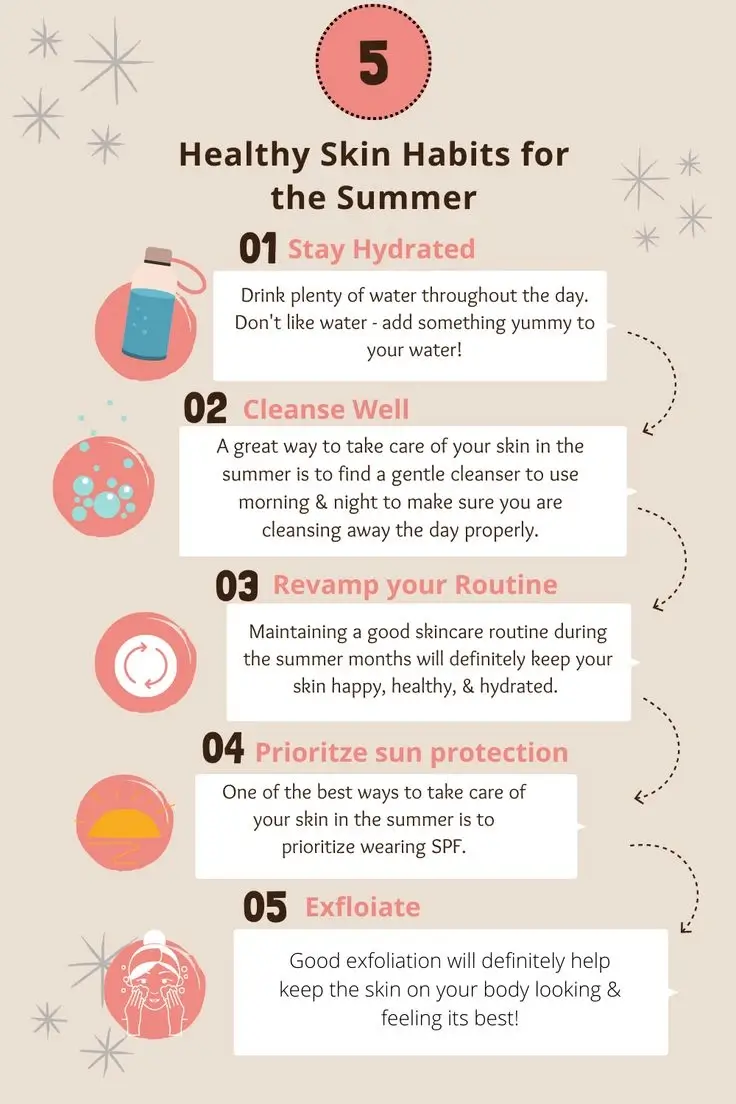
5 Easy Ways to Refresh Your Skin This Summer
Summer is sunshine, holidays and outdoors fun. But as the season brings good mood, it can also cause an effect on our skin. The sun has heat, humidity and the days are longer thus resulting in oiliness, dullness and dehydration. This is why your skin requires a little bit of extra care in order to remain radiant and invigorated throughout the summer.
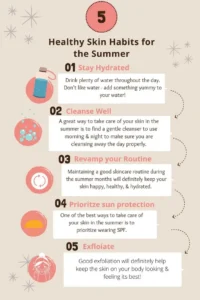
The good news? You do not have to have a complicated 10 steps regimen. Some smart modifications will help you maintain your complexion radiant and healthy even on the hottest days. These are top five simplistic skincare tips to rejuvenate your skin in the summer season.

Stay Hydrated Inside and Out
Summertime is the friend of hydration to your skin. When the weather increases, you lose water faster and your skin feels tight, dry, or even oily in an attempt to cool you down.
Quick Fixes
Consume lots of water during the day- at least 8 glasses.
Add cucumber, lemon, or berries to your water to make it antioxidant.
Carry a moisturising face spray in a bag. A fast spritz is an immediate refresh and revitalizer to your skin in hot afternoons.
Pro Tip
Use a light gel moisturiser in place of heavy creams. They fix moisture without being oily or pore-clogging.
Wash.
Pores can easily be clogged in summer by sweat, sunscreen and pollution causing breakouts and dullness. That is why cleansing is important- but do not overdo it. Harsh cleansers remove the natural oils of your skin leaving it more susceptible.
Quick Fixes
Clean your face with twice a day a soft foaming or gel cleanser.
In the evening, wash your face twice when using heavy bit of sunscreen or make-up.
Apply lukewarm water – apply hot water because it may dry the skin, particularly during summer.
Pro Tip
Add a gentle exfoliator one or twice per week. This cleanses the dead cells in the skin, clears the pores and leaves your face with a smooth feeling.
Protect with Sunscreen
Sunscreen is one step that you must never miss. UV rays do not only tan the skin, but they also age the skin, and cause pigmentation, besides elevating the chances of skin cancer.
Quick Fixes
Coat your skin with a broad-spectrum SPF 30 or better every morning, even when you’re indoors.
Rethread every 2-3 hours in the open air, in particular, when you are doing it, sweating or swimming.
Remember about your neck, ears, and hands- the usual areas that people overlook.
Pro Tip
Replace greasy sunscreen gel or spray with a non-greasy one that is lightweight. These recipes absorb easily and would not leave that sticky feeling in the heat.
Purchase now: https://amzn.to/3VVKZlg
Fuel with Seasonal Skincare.
Different ingredients are required in your skin during summer than winter. Heavy oils and thick creams can be suffocating, and light-weight formulas will be miraculous.
Quick Fixes
Find products containing aloe vera or green tea or cucumber extract to immediately cool and calm.
Use vitamin C serum in the morning as an anti-damage agent against the sun and increase the glow of the skin.
Store a sheet mask in the refrigerator- use one after a long day in the sun to get an immediate refresher.
Pro Tip
DIY works too! Yoghurt blended with a bit of honey forms a cooling mask that moisturises and soothes summer skin that is stressed.
Glowing Skin Eat and Sleep.
Skincare does not just consist of what you apply on your face. Diet and sleep cycle is one of the greatest contributors of keeping your skin fresh.
Quick Fixes
Consume water-containing watermelon, oranges, and cucumbers to help keep your body hydrated.
Fight free radical damage by including antioxidant-rich foods, including berries, spinach, and nuts.
Make sleep time at least 7-8 hours a night priority. During sleep your skin is healing itself.
Pro Tip
Reduce too much caffeine and alcohol because they dry the skin. Substitute that additional cup of coffee with green tea- green tea is hydrating and loaded with antioxidants.
Bonus Tip: Keep It Light
Nothing is better than letting your skin breathe in summer. Heavy makeup looks are better than light products such as tinted moisturisers, BB creams, or even a small amount of concealer. This will not only ensure that you do not have clogged pores but this will also enable your natural glow to shine through.
Final Thoughts
Skin refreshing in summer does not need to be a complicated affair. The key to a healthy-looking skin all through the season is to remain hydrated, wash and dry with sunscreen, eat well, and live a healthy life.
Keep in mind the skincare is not all about perfection, but it is about continuity. Some basic changes today will make your skin cheerful and luminous even in the summers.
So, whenever you go out in the sunshine next give these five simple tips a go on how to make your skin feel cool, refreshed and beautiful all summer long.