
Some of the most genuinely sustainable beauty in Britain does not come from the big names at all. It comes from small, independent brands, often family-run, that built their values in from day one rather than bolting them on later. These are the makers experimenting with rescued ingredients, refillable packaging and truly zero-waste ranges.
Supporting indie British beauty keeps money in local communities and rewards the brands doing the hard, unglamorous work of cleaning up the industry. In this guide we introduce the UK indie beauty brands championing sustainability in 2026, with a focus on those you can actually buy on Amazon UK, plus a hero product to try from each.
In This Guide:
- Why buy from indie British beauty brands
- Upcycled pioneers: UpCircle Beauty
- Mineral makeup made in Britain: Lily Lolo and Honeypie Minerals
- Zero-waste champions: PHB Ethical Beauty and All Earth
- Refill culture: Beauty Kitchen
1. Why buy from indie British beauty brands
Independent brands can move faster and care more deeply than large corporations. Without shareholders demanding endless growth, they are free to choose recyclable packaging, ethical sourcing and small-batch production even when it costs more. Many are certified vegan, cruelty-free and palm-oil free, and they tend to be refreshingly transparent about their supply chains.
Buying British-made also cuts the carbon cost of shipping products halfway around the world, and it supports skilled jobs at home. When a small brand champions sustainability, your purchase is a direct vote for that approach.
Indie brands are also where genuine innovation tends to happen first. Refill systems, upcycled ingredients and plastic-free packaging were pioneered by small companies long before the big names took notice. By shopping indie, you are not just reducing your own footprint, you are funding the experiments that push the whole industry to do better.
2. Upcycled pioneers: UpCircle Beauty
UpCircle Beauty is a London brand with a brilliantly simple mission: rescue ingredients that other industries throw away and turn them into skincare. It started by collecting used coffee grounds from London cafes, and now repurposes everything from discarded fruit stones to leftover botanicals.
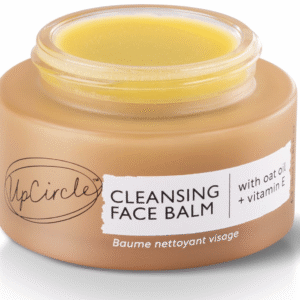
The packaging is recyclable, refillable where possible, and the whole ethos is circular. UpCircle has a dedicated Amazon UK store, which makes it one of the easiest indie brands on this list to try. Its face products are a natural starting point.
Because the brand grew up online and ships direct, its carbon and packaging choices are baked into every order, from paper tape to refill pouches. It is a neat example of how a sustainability-first business model looks different from the ground up rather than as an afterthought.
3. Mineral makeup made in Britain: Lily Lolo and Honeypie Minerals
Lily Lolo has become a cult name in natural beauty, making the vast majority of its mineral makeup in the UK. Its foundations, blushers and lip products use clean mineral formulas and have a devoted following for good reason.
Honeypie Minerals is a smaller, female-founded indie brand handcrafting mineral makeup in small batches. It is cruelty-free, vegan-friendly and committed to eco packaging and reforestation, the kind of values-led operation that indie beauty does so well.
Mineral makeup suits the indie model particularly well, because the formulas are simple, long-lasting and need very little packaging. A single pot of loose mineral foundation can outlast several bottles of conventional liquid base, which makes these British brands a quietly low-waste choice as well as a clean one.
4. Zero-waste champions: PHB Ethical Beauty and All Earth
PHB Ethical Beauty is a family-run Brighton company with one of the largest collections of natural, vegan and alcohol-free beauty products in the world. It runs a dedicated zero-waste packaging makeup range, makes much of its packaging from recycled materials, and audits its supply chain every year.
All Earth Mineral Cosmetics, based in Cornwall, makes mineral makeup from ethically sourced minerals and botanicals in zero-waste packaging. Both brands show how seriously small British makers take the waste problem.
What unites all of these brands is transparency. They tell you where their ingredients come from, how their packaging should be disposed of and what their certifications actually mean, rather than hiding behind vague green language. That honesty is one of the best reasons to give your money to an independent maker.
5. Refill culture: Beauty Kitchen
Beauty Kitchen, founded in Scotland, has built its reputation on its Return, Refill, Repeat system, designed to keep packaging in circulation rather than throwing it away. Its products combine natural ingredients with a genuinely circular approach to packaging.
Together, these brands prove that the most forward-thinking sustainability in beauty is often happening at the smaller end of the market. They may be modest in size, but their impact and their ambition are anything but.
Our Sustainable Picks
UpCircle Beauty. London brand rescuing discarded ingredients into recyclable, refillable skincare. Easy to find via its Amazon UK store.
Lily Lolo Mineral Makeup. UK-made mineral foundations and lip products with clean formulas and a cult following.
Honeypie Minerals. Female-founded, small-batch British mineral makeup. Vegan, cruelty-free and committed to eco packaging.
PHB Ethical Beauty. Family-run Brighton brand with a dedicated zero-waste makeup range, vegan and alcohol-free.
Beauty Kitchen. Scottish brand built around a Return, Refill, Repeat circular packaging system.
Final Thoughts
The UK indie beauty scene is where some of the most exciting sustainable thinking is happening, from UpCircle’s rescued coffee grounds to Beauty Kitchen’s refill stations. Choosing these small, mighty brands supports local makers and rewards real environmental effort. Pick one to try from its Amazon UK listing, and you will be backing the kind of beauty the whole industry should be moving towards.
Featured Products
-
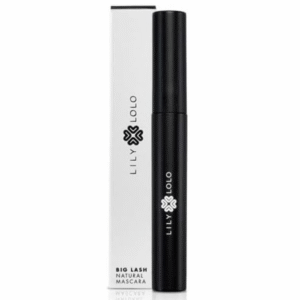
Lily Lolo Big Lash Mascara
£16.50 -
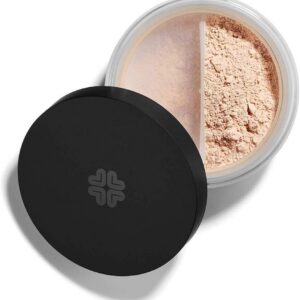
Lily Lolo Mineral Foundation SPF 15
£18.50 -
UpCircle Cleansing Face Balm with Apricot
Original price was: £14.69.£14.00Current price is: £14.00.
References:
- UpCircle Beauty, Amazon UK Store – https://www.amazon.co.uk/stores/UpCircleBeauty/page/81F19A5E-1DC1-4435-A947-49EE6AC87562
- Planet Organic, Our Favourite Independent British Beauty Brands – https://www.planetorganic.com/blogs/buyers-picks/independent-british-beauty-brands
This post contains affiliate links. If you purchase through our links, we may earn a small commission at no extra cost to you. See our affiliate disclosure for more information.