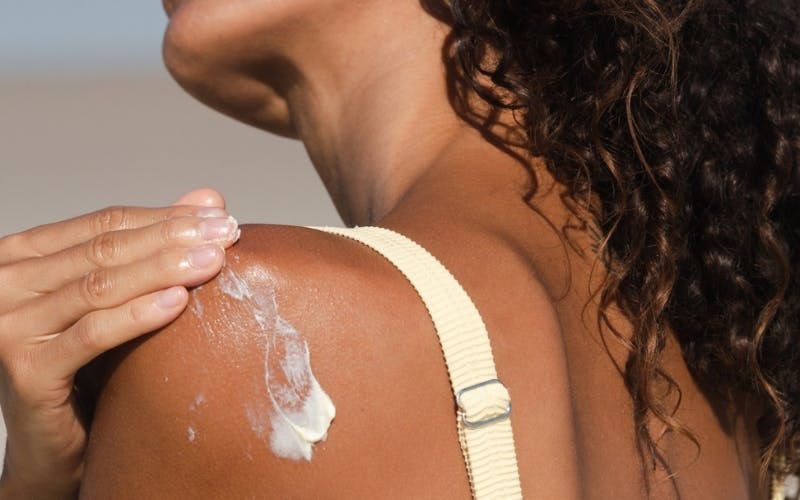
You’re on the beach, you’ve done the responsible thing and slathered on SPF, and you wade into the sea feeling smug. Here’s the part nobody mentions: a slick of that sunscreen washes straight off your skin and into the water around you. Multiply that by every swimmer on every coastline, and the numbers get serious fast.
The good news is that protecting your skin and protecting the ocean aren’t a trade-off. You just need to know what to look for on the label.
This guide breaks down what “reef-safe” actually means, the two ingredients worth avoiding, and the sunscreens we’d reach for this summer.
In This Guide:
-
What “reef-safe” actually means
-
The two ingredients to avoid
-
Mineral vs chemical: which is right for you
-
Our Sustainable Picks
-
How to wear reef-safe SPF under makeup
1. What “Reef-Safe” Actually Means
Here’s the catch that trips most people up: “reef-safe” isn’t a regulated term. No official body in the UK certifies it, which means a brand can print it on the bottle without having to prove much at all. That’s frustrating, but it also means the label isn’t where you should be looking.
The ingredients list is. A genuinely ocean-friendly sunscreen is defined by what it leaves out far more than the badge on the front. Once you know the two names to scan for, you can judge any bottle in about ten seconds, regardless of its marketing.
2. The Two Ingredients to Avoid
The two big ones are oxybenzone and octinoxate, chemical UV filters found in a large share of conventional sunscreens. Research has linked them to coral bleaching, genetic damage to coral, and disruption of reef reproduction, even at very low concentrations (Surfrider Foundation).
This isn’t a fringe concern. Hawaii became the first place in the world to ban the sale of sunscreens containing these two ingredients, with the law taking effect on 1 January 2021, and several other regions have since followed (Goldberg Segalla). The bans exist because the science was strong enough for legislators to act on.
So your one job at the shelf is simple: turn the bottle over and check that oxybenzone and octinoxate aren’t in the active ingredients. Some people also choose to avoid octocrylene and homosalate as a precaution, though the evidence there is less settled.
3. Mineral vs Chemical: Which Is Right for You
Reef-safe sunscreens generally fall into two camps, and the right one depends on how you actually use it.
Mineral (physical) sunscreens use zinc oxide or titanium dioxide to sit on top of the skin and deflect UV. They’re the most reliably reef-friendly option and tend to suit sensitive skin. The historic downside, a chalky white cast, has largely been solved by newer formulas, though very dark skin tones should still patch-test.
Newer “clean” chemical sunscreens swap oxybenzone and octinoxate for gentler filters. These often feel lighter and disappear into the skin with no white cast, which makes them the easier everyday choice if you wear SPF under makeup.
Quick rule of thumb: beach and pool days where you’ll be in and out of the water, lean mineral. Daily wear under foundation, a clean chemical formula will feel nicer and play better with the rest of your routine.
4. Our Sustainable Picks
Four reef-friendly SPFs we rate, across budgets and skin types. All are available on Amazon UK; drop your tagged links into the markers below.
Best for sensitive skin and certification-checkers:
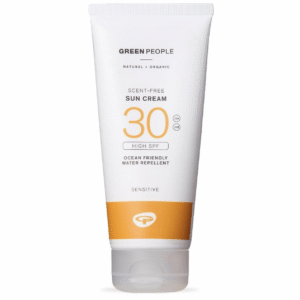
Green People Scent Free Sun Cream SPF 30. A British brand, vegan, cruelty-free and made with organic ingredients, free from oxybenzone and octinoxate. If you (like Laura) read the certifications before you buy, this one holds up to scrutiny (Moral Fibres).
Best easy swap:
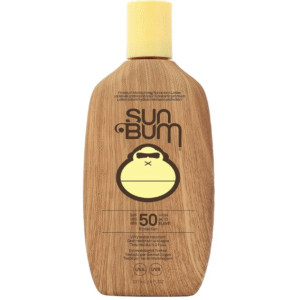
Sun Bum Original SPF 50. Widely stocked, affordable, vegan and free from the two banned filters. If you want to make a greener choice without overthinking it or overspending, this is the no-fuss option (PETA).
Best under makeup:
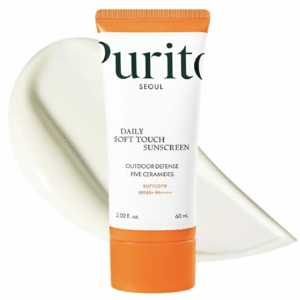
PURITO Daily Soft Touch Sunscreen SPF 50+. Vegan, reef-safe and famous for leaving no white cast, with a lightweight finish that sits invisibly under foundation. The convenient pick if SPF currently gets skipped because it feels heavy.
Best mineral all-rounder:
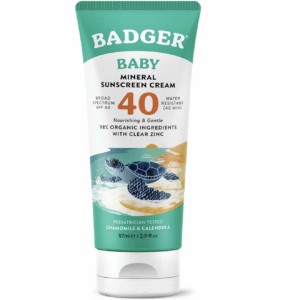
Badger Reef-Safe Mineral Sunscreen SPF 40. Non-nano zinc oxide, a short and recognisable ingredients list, and water-resistant for actual beach use. A solid choice if you prefer a physical filter you can trust in the sea. [INSERT AFFILIATE LINK]
5. How to Wear Reef-Safe SPF Under Makeup
Switching to a reef-safe formula only works if you actually keep wearing it, so here’s how to make it part of your routine rather than a separate chore.
Apply your SPF as the last step of skincare and give it a few minutes to settle before you start on base. A lightweight chemical formula or a sheer mineral one will grip better under foundation than a thick, greasy lotion. If you want a real shortcut, a tinted mineral SPF can double as your base on low-key days.
The bit people forget: SPF wears off. The standard guidance is to reapply roughly every two hours, and after swimming or towelling dry. Over makeup, a mineral SPF mist or a powder SPF lets you top up without wrecking your look.
Small Swap, Big Impact
You don’t have to choose between looking after your skin and looking after the ocean. Reef-safe sunscreen gives you full protection while keeping two genuinely harmful chemicals out of the water, and once you know to scan for oxybenzone and octinoxate, making the switch costs you nothing but a few seconds at the shelf.
If you’re replacing an SPF this summer, start with one of our picks above. Then have a look at the rest of our sustainable beauty edit for more easy swaps that are better for you and the planet, no compromise required.
Featured Products
References
-
Surfrider Foundation, Hawaii Passes First-Ever Ban on Reef-Harming Sunscreens: https://www.surfrider.org/news/hawaii-passes-first-ever-ban-on-reef-harming-sunscreens
-
Goldberg Segalla, Hawaii’s Ban on Oxybenzone and Octinoxate-Containing Sunscreen Takes Effect: https://www.goldbergsegalla.com/blog/asbestos-case-tracker/emerging-issues/hawaiis-ban-on-oxybenzone-and-octinoxate-containing-sunscreen-takes-effect/
-
Moral Fibres, Your Big UK Guide to Eco-Friendly Sunscreen: https://moralfibres.co.uk/eco-friendly-sunscreen/
-
PETA, Cruelty-Free, Vegan, Reef-Safe Sunscreens and Lip Balms: https://www.peta.org/living/personal-care-fashion/cruelty-free-vegan-reef-safe-sunscreen/