Introduction
DIY skincare has been gaining momentum in the past couple of years- and rightfully so. Homemade masks are cheap and fun to make, but more than that, many of the natural ingredients used in making a mask are supported by science to be beneficial to their skin. The proper kitchen ingredients can change the skin, whether to cool irritation or combat acne.
However, to be honest, not all Pinterest recipes are worth applying to your face. Others are even worse than no good (we are looking at you lemon juice). That is why we have compiled a list of seven homemade masks that do work and have been scientifically proven to be helpful. Safe, good, and simple to prepare, these are recipes you will really want to prepare.
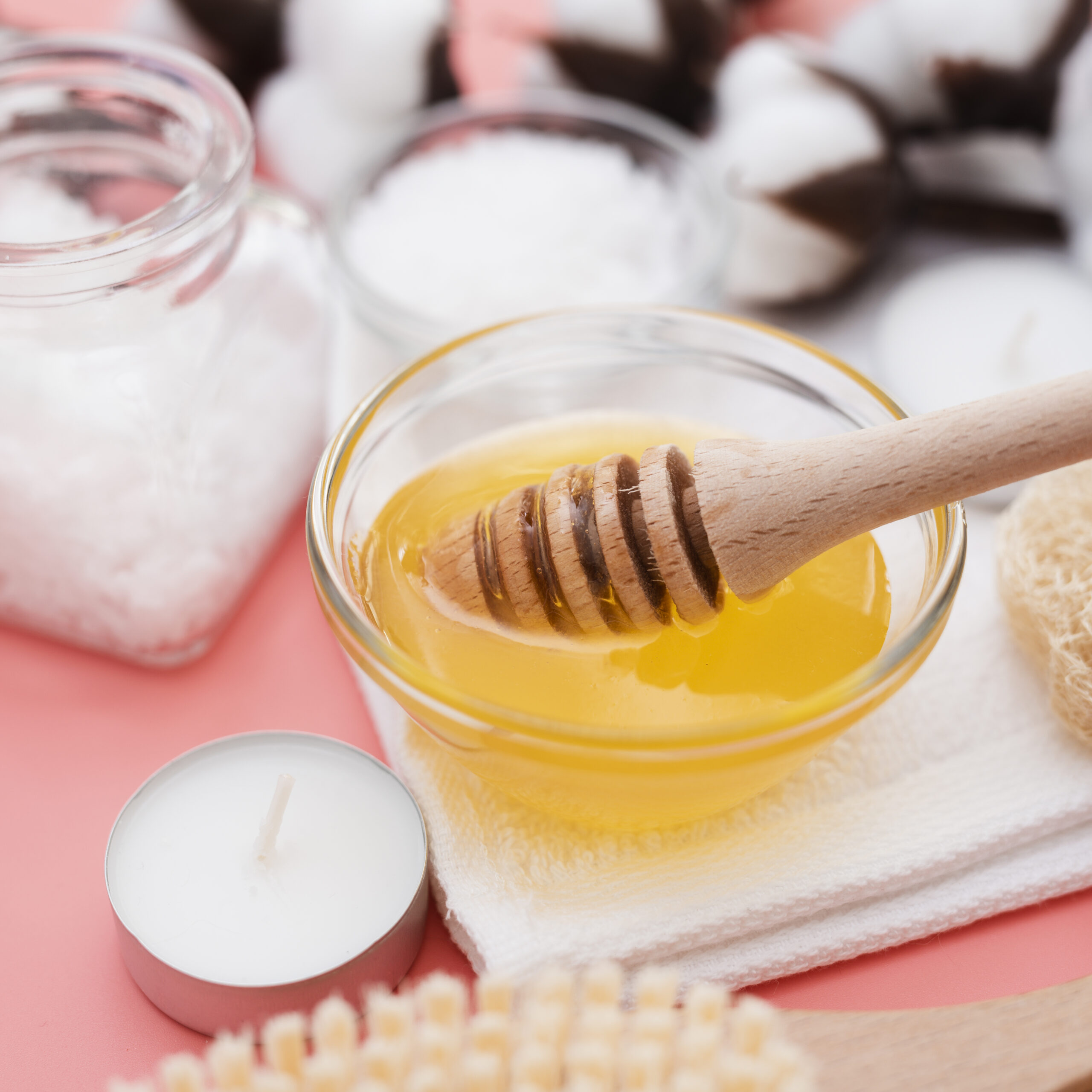
Honey & Yoghurt Hydration Mask.
Good on: Dry or sensitive skin.
Honey is itself a humectant which attracts moisture to the skin. It is also antibacterial and helps in acne prone skin. In the meantime, yoghurt contains lactic acid, a gentle exfoliant that makes the skin plump and bright.
Recipe:
1 tablespoon raw honey
1 tablespoon plain yoghurt
Blend together and use all over on your face. Allow to rest 15 minutes and rinse in lukewarm water.
Buy now at: https://amzn.to/3Iw0xJyHow it works: The honey is hydrating and calming and the lactic acid found in yoghurt dissolves the dead cells in your skin, leaving your complexion softer and fresher.
Turmeric And Aloe Vera Brightning Mask.
Best on: pale or patchy skin.
Turmeric is a natural source of curcumin, an antioxidant and anti-inflammatory ingredient that helps lighten skin and works against pigmentation. Aloe vera calms down irritation and hydrates without closing up pores.
Recipe:
1 teaspoon turmeric powder
1 teaspoon fresh aloe vera gel.
You can mix into thick paste and apply. Allow to rest 10-15 minutes prior to rinsing off.
Why it works: These two work together to decrease inflammation, dark spots, and to give the skin a natural radiance.
Oatmeal & Banana Calming Mask
Best on: Red or sensitive skin.
Oats contain a lot of beta-glucan that coats a protective layer and makes it less irritated. Bananas contain a lot of potassium and nourishing vitamins that are hydrating.
Recipe:
2 tablespoons fine oats that are ground up.
½ ripe banana, mashed
Blend and rub. Allow to dry (15 to 20 minutes) and rinse lightly.
Why it works: This relaxing combination calms redness and gives serious hydration–just what sensitive or inflamed skin needs.
Lemon Clarifying Mask with Green Tea.
Best use on: acne or oily skin.
Antioxidants such as EGCG are packed in green tea which lowers the production of sebum and anti-inflammatory. When applied sparingly in dilution Lemon contains antibacterial properties, and is used to brighten the complexion.
Recipe:
1 tablespoon cooled green tea
½ teaspoon lemon juice
1 tablespoon honey
Mix and apply evenly. Allow to rest 10 minutes and then rinse.
Why it works: Green tea calms the skin, lemon balances the bacteria and honey balances the moisture making it the best option on a person that breaks out easily.
Avocado Nourishing Oil Olive Nourishing Mask.
Best when used on: dry or mature skin.
Avocadoes contain healthy fats, vitamin E and antioxidants. Olive oil is highly hydrating and skin restoring.
Recipe:
½ ripe avocado, mashed
1 teaspoon olive oil
Blast until creamy and rub onto the skin. Leave for 15–20 minutes, then rinse.
Why it works: The omega-3 fatty stimulates make skin soft and glowingly plush.
Cocoa & Coffee Exfoliating Mask.
Best for: Dull, tired skin
Coffee grounds are also a natural exfoliant in addition to increasing circulation. Flavonoids in cocoa powder protect against free radical damages and improve texture of skin.
Recipe:
1 tablespoon fine ground coffee.
1 tablespoon cocoa powder unsweetened.
2 T plain yoghurt or honey.
Blotch and rub into the skin. Allow 10 minutes then rinse with warm water.
Why it works: This mask peels off dead cells, enhancing blood circulation to make your skin appear healthy and energised.
Charcoal & Clay Detox Mask
Best on: congested or acne-prone skin.
The charcoal is treated, impurities, and toxins are absorbed, and excess oil removed and pores cleared by clay. They unite to remove the chemicals that are harsh on the skin.
Recipe:
1 teaspoon activated charcoal.
1 teaspoon bentonite or kaolin clay.
A good deal of water, or rose water, to make a paste.
Rub all over and allow to dry 10-15 minutes. Wash under the mask before it is fully dry or it will turn too dry.
Why it is so effective: This hardworking duo helps decrease the congestion, avoid any breakouts and leaves the skin feeling refreshed.
Tips for DIY Mask Success
Patch test first: Even natural components may be reaction-causing. Apply it to a small part of the skin first before experimenting with it on your face.
Don’t wear them too often: 1-2 times per week is the best.
Fresh ingredients:Fresh ingredients should be used when making the mask and leftovers discarded to prevent bacterial growth.
Gentleness: Use lukewarm water and do not scrub this area as this is a part of your skin barrier.
Conclusion
Diy Skincare does not need to be a guess game. Given the correct ingredients, supported by science you can make effective masks at home that have targeted dryness, acne, and dullness just to name a few. Because of the hydrating effect of honey and the detoxifying effect of charcoal, these seven recipes are easy but effective.
At MakeupLabs we know beauty must be practical, reachable, and sustainable. The ideal example is DIY masks that are cheap, organic, and can be personalised to serve your interests. Next time you want your skin to be boosted, you don’t have to go to the shop to purchase a mask; you just go into your kitchen. You will be glad you did (your wallet will be).