You’re standing in the aisle holding two foundations. One shouts “clean”, “non-toxic” and “free from parabens, sulfates and phthalates”. The other says nothing. Instinct says reach for the first, but here’s the uncomfortable truth: that label might mean very little, and the “scary” ingredients it’s avoiding may not be the ones worth worrying about.
Clean beauty is one of the most powerful marketing ideas of the decade, and also one of the most misunderstood. This guide cuts through it: what “clean” actually means, the myth that trips everyone up, and the ingredients genuinely worth your attention, without the scare tactics.
In This Guide:
- “Clean beauty” isn’t a regulated term
- The myth that trips everyone up
- What actually matters on a label
- Our Sustainable Picks
- How to read a label without the fear
1. “Clean Beauty” Isn’t a Regulated Term
Just like “reef-safe”, “clean” has no legal definition. No regulator sets the rules, so every brand and retailer writes its own. When Sephora launched its “Clean at Sephora” seal, it was the company’s own list of excluded ingredients, not an official standard (Dermatology Times).
That’s why two “clean” products can have completely different ingredient lists. The badge tells you what a brand has decided to leave out, which is a marketing choice, not a guarantee of safety. So the label on the front isn’t where the answer lives.
2. The Myth That Trips Everyone Up
Here’s the big one: natural does not automatically mean safe, and synthetic does not mean harmful. Dermatologists have been saying this for years. A widely cited 2019 editorial in JAMA Dermatology was even titled “Natural Does Not Mean Safe”, warning that misinformation was driving up rates of allergic skin reactions (Harvard Health).
The culprits are often the “natural” hero ingredients themselves. Botanical extracts and essential oils are among the leading causes of contact dermatitis, and in one study of people using natural botanical products, a notable share reported a skin reaction (Harvard Health).
Take parabens, clean beauty’s favourite villain. There’s no solid evidence they cause the harms social media attributes to them, and they’re actually among the lowest-risk preservatives for allergies, so much so that a dermatology society named them a “non-allergen of the year” (Get the Gloss). When brands strip them out, they sometimes swap in preservatives that irritate more people. The fear, in other words, can backfire.
3. What Actually Matters on a Label
None of this means “anything goes”. It means shifting your attention from marketing buzzwords to the things that genuinely affect your skin.
If your skin is reactive, the ingredient most worth watching is fragrance (listed as “parfum” or “fragrance”), one of the most common triggers of cosmetic allergy. Essential oils belong in the same bracket for sensitive types. Choosing fragrance-free is far more useful than chasing “paraben-free”.
The reassuring part, especially if you shop in the UK: our safety net is already strong. Under UK and EU rules, every cosmetic must pass a documented safety assessment before it can be sold, and well over a thousand ingredients are outright banned, far more than in some other markets (London Dermatology Centre). The dose and the formulation matter more than any single scary-sounding name. As dermatologists put it, they look at the science, not the slogans.
4. Our Sustainable Picks
Three brands that do “clean” honestly, leading with transparency and short, sensible ingredient lists rather than fear. All on Amazon UK; drop your tagged links into the markers below.
Best for full transparency:
INIKA Organic. Certified organic (COSMOS), Vegan Society certified and Leaping Bunny approved, with ingredient lists it’s happy to stand behind. If you want claims that are independently backed rather than self-declared, start here. Try: the INIKA Organic Baked Mineral Foundation, a clean, buildable powder base.
Best for sensitive skin:
Lily Lolo. A British mineral makeup brand with genuinely minimal formulas, fragrance-free, paraben-free and free from synthetic dyes, which makes it a sensible choice for reactive skin. Most of the range is vegan, though a few shades contain carmine, so check if that matters to you (Lily Lolo). Try: the Lily Lolo Mineral Foundation SPF 15, a short-ingredient-list powder base (also available as a refill).
Best everyday value:
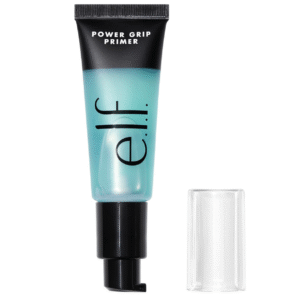
e.l.f. Cosmetics. 100% vegan, Leaping Bunny certified, openly lists its ingredients and keeps prices low, so shopping thoughtfully doesn’t have to be a splurge. The easy, no-drama option. Try: the cult e.l.f. Power Grip Primer.
5. How to Read a Label Without the Fear
You don’t need a chemistry degree, just a calmer system. Ignore the “free-from” claims on the front and turn to the ingredients list (the INCI list) on the back. If a brand hides its full ingredients, that’s a bigger red flag than any single component.
Patch test anything new on your inner arm for a couple of days, particularly if you have sensitive skin, and remember that a reaction can come from a “natural” ingredient just as easily as a synthetic one. If you want to understand what you’re reading, a free tool like INCIDecoder explains each ingredient in plain English. Above all, judge a product by how your skin responds, not by how virtuous the packaging sounds.
Shop the Formula, Not the Fear
Clean beauty isn’t a scam, but it isn’t a safety guarantee either. The smartest approach is to drop the chemophobia, lean on the UK’s strong regulation, watch genuine triggers like fragrance if your skin is reactive, and choose brands that are transparent about what’s actually in the bottle.
Do that and you’ll shop with confidence instead of anxiety. Start with one of our transparent picks above, and when you want to go further, our guide to cruelty-free certifications shows you exactly which labels are worth trusting, and which are just clever wording.
Featured Products
-
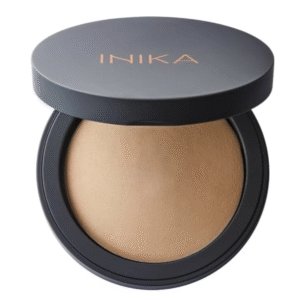
INIKA Organic Baked Mineral Foundation
£46.51 -
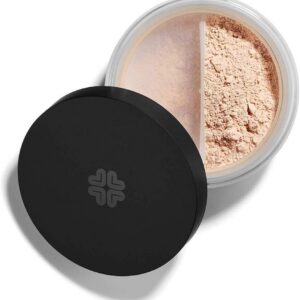
Lily Lolo Mineral Foundation SPF 15
£18.50 -
e.l.f. Power Grip Primer
Original price was: £11.00.£8.10Current price is: £8.10.
References
- Dermatology Times, Skincare Ingredients: What Does ‘Clean’ Mean?: https://www.dermatologytimes.com/view/skincare-ingredients-what-does-clean-mean
- Harvard Health, What You Should Know About Clean and Natural Cosmetics: https://www.health.harvard.edu/staying-healthy/what-you-should-know-about-clean-and-natural-cosmetics
- Get the Gloss, How Safe Is Clean Beauty, and Are Parabens Bad? A Top Dermatologist Gives Her View: https://www.getthegloss.com/beauty/skincare/how-safe-is-clean-beauty-and-are-paranbens-bad-a-top-dermatologist-gives-her-view/
- London Dermatology Centre, Sustainable, Clean and Eco Skincare Guide: https://www.london-dermatology-centre.co.uk/blog/sustainable-clean-and-eco-skincare-guide/
- Business of Fashion, ‘Clean’ Beauty Products Not Always Safe, Dermatologists Say: https://www.businessoffashion.com/articles/beauty/clean-beauty-products-not-always-safe-dermatologists-say/